A round mosquito net, often designed in a dome or canopy shape, is built to stay suspended and form a stable protective space around the bed. When people say a round mosquito net needs to be fixed, they usually mean one of four problems: it is sagging and touching the sleeper, the net is not centered over the bed, the entry overlaps poorly and leaves gaps, or the fabric or frame has been damaged and no longer holds shape. The correct fix depends on whether the issue is installation alignment, hanging hardware, hoop tension, or fabric condition.
JUNXING manufactures dome-style solutions engineered for indoor comfort, stable structure, and consisTent protection. You can view our dome mosquito net range for different bed sizes and installation preferences.
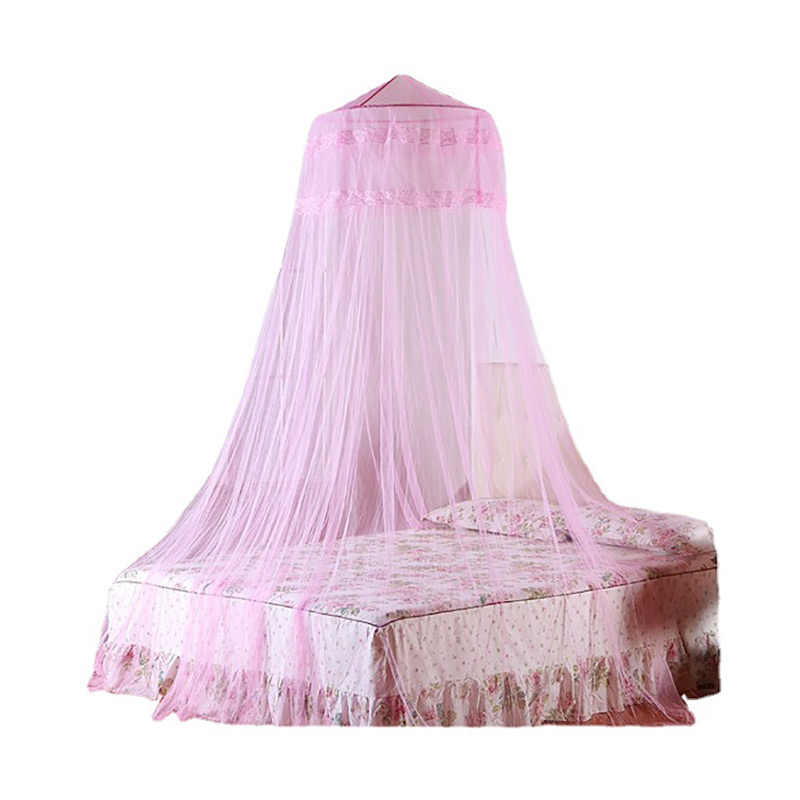
Round nets are commonly built in two main structures. One is a ceiling-hung canopy style with a single suspension point and a circular hoop that keeps the top open. The other is a self-supporting dome structure that uses flexible ribs or a pop-up frame to maintain volume without ceiling mounting. The way you fix the net depends on which structure you are working with, because the first relies on correct hanging height and center point, while the second relies on frame tension and correct unfolding.
A quick check is to look at the top. If you see a ring that gathers the net and a single hook point, you likely have a hanging canopy design. If you see multiple ribs forming a dome, the issue is more likely frame alignment or rib tension.
Sagging is the most common complaint because it reduces comfort and can allow mosquitoes to bite through the fabric if it rests directly on skin. Sagging usually happens when the hanging point is too low, the hoop is tilted, or the net is pulled to one side by the entry panel.
For a hanging round net, raise the suspension point so the hoop sits high enough to create clear internal volume. The ideal position is one where the net drapes down evenly and the bottom edge reaches the bed perimeter without being overly tight. If raising the hook is not possible, shortening the hanging strap or adjusting the knot can achieve the same effect.
For a dome style net, sagging often means the ribs are not fully seated into their pockets or the frame was not fully expanded. Re-open the dome, ensure ribs are fully extended, and confirm the base is evenly spread around the bed.
A round net can look installed but still leave exposed corners if it is not centered. The fix is to adjust the hanging point or the base position until coverage is symmetrical.
Start by identifying the true center of the bed. Then look straight down from the hoop. If the hoop center is not directly above the bed center, the net will naturally pull toward the closest side and create uneven coverage.
If you are using a ceiling hook, shifting the hook location is the best long-term solution. If the hook cannot be moved, you can often compensate by adjusting the direction of the strap or using a secondary guide line that gently pulls the hoop back toward center without deforming the circle. The goal is a stable, centered position that does not drift when the entry is opened.
Even if the net is centered, effectiveness drops sharply if the bottom edge is not sealed. Many round nets rely on a tuck-in method, meaning the net fabric must be placed under the mattress or sleeping mat so insects cannot enter from below.
If the net is too short, users often leave gaps. In that situation, the practical fix is to adjust hanging height so more fabric reaches the base, then tuck evenly around the perimeter. If the net is long enough but still leaks, check whether the fabric is being pulled upward by the entry overlap or by a bed frame edge that catches the net.
For high-traffic use, the most reliable approach is to establish a repeatable tuck routine: tuck one long side, then the opposite long side, then finish the ends. This helps maintain even tension and reduces the chance of one corner lifting during sleep.
Entry overlap problems show up as a visible opening where the two panels do not meet well, or where a zipper does not close smoothly. For overlap-only entries, the fix is usually alignment and tension control. If the net is pulled too tight in one direction, the overlap shifts and exposes a gap. Recenter the net, then let the fabric hang naturally before retucking.
For zippered entries, inspect the zipper track for trapped fabric fibers or minor deformation. Clean gently and ensure the net is not under twisting tension at the entry. Zippers fail faster when the net is consistently pulled off-center, because lateral force makes the slider bind.
If the fabric has small holes, the net can still be fixed without replacement, but the repair must be stable because tension points will reopen weak repairs.
For small pinholes, use a fine mesh repair patch or tightly stitched reinforcement using thread that does not cut into the net yarn. For tears near seams, stitch along the seam line rather than across open mesh, because seams distribute load better. After repair, test the area by gently pulling the fabric to confirm the repair does not separate.
A durable net design reduces the frequency of such repairs, but for wholesale supply and long-term indoor use, offering repair guidance helps end users maintain effectiveness and improves satisfaction.
A round net relies on symmetry. If the hoop becomes oval or the ribs lose their curve, the net may lean, sag, or collapse inward.
For hoop-based nets, lightly reshape the hoop by hand and ensure it sits level. If the hoop connection point is loose, tighten it so the ring holds a stable circle. For pop-up dome frames, collapse and re-open fully to restore the designed tension. If a rib is permanently kinked, replacement is recommended because the structure will continue to distort and reduce internal volume.
| Problem Seen By Users | Likely Cause | Best Fix Direction |
|---|---|---|
| Net touches face or shoulders | Hanging too low or frame not fully opened | Raise hook or reseat ribs and expand fully |
| Corners feel exposed | Net not centered | Recenter hoop above bed center |
| Mosquitoes still get inside | Bottom edge not sealed | Increase fabric reach and retuck evenly |
| Entry does not close well | Net twisted or zipper under tension | Remove twist, relieve side pull, then close |
| Net looks tilted | Hoop not level or strap pulling sideways | Level hoop, adjust strap direction |
This table supports fast troubleshooting for sellers and users.
Many fixing problems repeat when the net is not matched to bed size, room height, or usage cycle. If the net is too small, it will always pull tight and create gaps. If the room height is low, a hanging net may sit too close to the sleeper unless the strap is adjusted. For high-use environments, structure stability and seam strength become more important because repeated entry and washing stress the same zones.
If you are sourcing for distribution or project supply, a custom Dome Mosquito Net configuration can align bed size coverage, entry style, and structural tension with your market’s preferences while keeping installation simple.
JUNXING supports dome-style indoor protection programs through our dome mosquito net collection.
Fixing a round mosquito net is usually about restoring structure and sealing rather than replacing the entire product. When the net is centered, held at the correct height, kept off the body, and tucked or closed properly, it remains comfortable and highly effective. Most issues come from low hanging height, off-center installation, poor bottom sealing, or frame tension loss. Correcting these points improves both airflow comfort and insect protection.
If you are choosing dome nets for wholesale supply or need help matching the right size and structure to your market, contact JUNXING through our dome mosquito net page. Share your target bed sizes, preferred entry style, and usage environment, and we can provide guidance, sampling support, and supply recommendations to help you deliver stable, durable indoor protection.