A mosquito net hat is a simple piece of protective gear that combines two functions: it creates a stable brim structure to keep mesh away from the face, and it surrounds the head and neck with fine netting to block mosquitoes and other biting insects. For outdoor work, field travel, fishing, gardening, and tropical programs, a well-made mosquito net hat can significantly reduce bites without relying on constant chemical sprays. The key to making one that actually works is not just sewing net fabric to a hat. It is choosing the right mesh, building a comfortable stand-off distance, and finishing the bottom edge so insects cannot slip upward.
JUNXING supplies ready-to-use solutions for consisTent protection and repeat supply, including our mosquito hat net designed for reliable coverage and practical wear in real outdoor conditions.
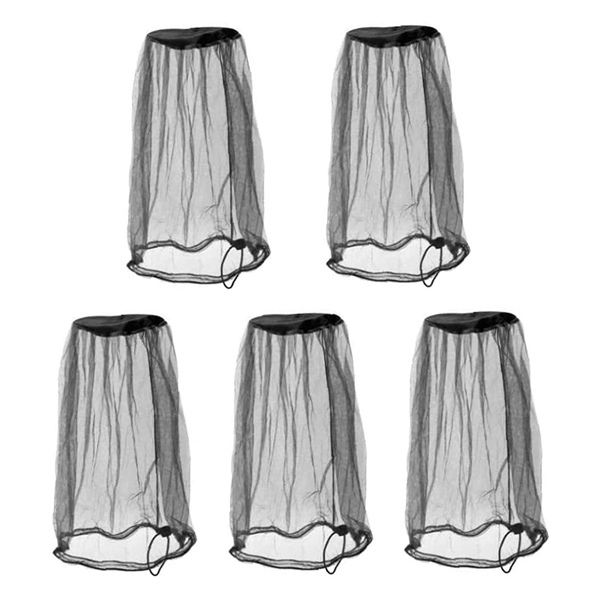
The performance of a mosquito net hat depends on how well it maintains space between the mesh and the skin. If mesh rests on cheeks or ears, mosquitoes may bite through in some conditions, and comfort drops quickly. That is why most effective designs use a wide-brim hat or a cap with a stiff ring that holds the net outward.
A typical structure includes a headwear base, a cylindrical or slightly tapered net curtain, and a closure at the bottom. The curtain must be long enough to overlap the collar area, and the closure must be secure enough to prevent insects from entering when the wearer turns their head or bends forward.
Mesh selection determines both bite protection and comfort. Finer mesh blocks smaller insects but can feel warmer if airflow is limited. More open mesh improves ventilation but may be less protective in high-pressure insect environments. For a mosquito net hat, the practical goal is a mesh that keeps visibility clear while maintaining reliable blocking performance.
Color also matters. Dark netting can reduce glare and improve visibility in bright sun, while very light netting may reflect more light and feel visually distracting. Many users prefer black netting for outdoor work because it makes it easier to see through the mesh.
If the hat will be used in a demanding environment, durability becomes part of protection. A durable mesh resists snagging from branches, backpack straps, and repeated folding, which helps maintain long-term performance.
A mosquito net hat works best with a brim that creates stand-off space. Wide-brim hats naturally keep netting away from the face. If you use a standard cap, adding a lightweight ring structure can create similar clearance, but the build becomes more complex.
For practical comfort, aim for enough clearance so the net does not touch the nose and lips during normal breathing and speech. A brim that is too small causes the net to collapse inward, especially in humid weather when mesh becomes softer. For outdoor users, stable clearance is often the difference between wearing the hat all day and taking it off after a few minutes.
The net curtain should wrap around the hat evenly and hang with enough length to cover the neck. A good fit is one where the net does not pull tight on one side and does not twist when the wearer moves.
To build the curtain, you are essentially creating a soft cylinder of netting that attaches around the crown or brim line of the hat. The seam should be clean and reinforced because it carries the most stress when the hat is put on and taken off. If the seam tears, the net curtain will detach and protection fails immediately.
A practical design also avoids excessive net volume, which can snag in wind. Tapering the curtain slightly can reduce flapping while still maintaining coverage.
The bottom edge is the most underestimated part of a mosquito net hat. If the net hangs loosely without any closure, insects can enter from below, especially when the wearer leans forward or when wind pushes the net upward.
A drawcord, elastic hem, or adjustable toggle closure is typically used. The closure should sit comfortably around the neck or upper collar area and should not be so tight that it restricts movement. The goal is a secure overlap with clothing, not a sealed compression around the throat.
When designed correctly, the closure also improves usability because it stabilizes the net, reducing flapping and improving visibility.
Comfort determines whether protective gear gets used consistently. For a mosquito net hat, comfort involves breathability, low weight, and minimal irritation at contact points.
Small design details can improve daily wear. A smooth seam finish prevents scratching around the forehead. A breathable hat material reduces heat buildup. Netting with stable drape reduces distraction and prevents the mesh from pressing into the mouth during speech.
If users work for long periods outdoors, the practical value of a well-balanced hat is that it reduces the need to constantly adjust the net, which is a common complaint with basic DIY versions.
Many homemade mosquito net hats fail because the net is too short, the brim clearance is insufficient, or the bottom edge is left open. Another common issue is weak stitching that breaks after repeated folding. Snagging is also a frequent problem when mesh is too delicate for outdoor use.
A reliable build focuses on reinforcement at stress seams, adequate length for neck coverage, and an adjustable closure that stays secure during movement. If the environment involves dense vegetation, choosing stronger netting reduces damage and maintains protection longer.
For wholesalers and project supply, the cost of inconsistency is high. DIY methods cannot guarantee mesh density, seam strength, or sizing repeatability. In bulk distribution, end users expect the same performance from every unit, and durability must hold through shipping, storage, and repeated use.
A practical approach for supply programs is to source a standardized mosquito net hat that meets your market’s visibility and protection expectations. JUNXING provides black mosquito hat net options designed for stable wear and reliable protection, with the ability to support custom packaging and program requirements when needed.
| Design Element | Better Choice For Field Use | Why It Performs Better |
|---|---|---|
| Hat base | Wide brim or structured clearance | Keeps net away from face |
| Net color | Black netting | Improves visibility in sunlight |
| Bottom edge | Adjustable closure | Reduces insect entry and flapping |
| Seam build | Reinforced attachment seam | Extends service life under repeated use |
| Net material | Durable mesh | Resists snagging and tearing |
Making a mosquito net hat that truly works requires more than attaching mesh to a cap. The design must maintain face clearance, provide full head and neck coverage, and include a secure bottom closure to prevent insects from entering from below. Mesh choice and seam durability determine whether the hat remains comfortable and protective in real outdoor use, especially in hot, humid, or vegetation-heavy environments.
If you are evaluating mosquito net hats for distribution, outdoor programs, or bulk supply, contact JUNXING through our mosquito hat net page. Share your target market, expected usage environment, and packaging requirements, and we can provide product guidance, sampling support, and supply recommendations to help you deliver consistent protection with reliable long-term wear.