A pop up play Tent is easy to enjoy when it is open, but many parents and buyers quickly realize that folding it back down is the part that causes the most trouble. The frame wants to spring open again, the fabric twists in your hands, and what looked simple in theory suddenly feels awkward in practice. The good news is that most pop up play tents follow the same basic folding logic. Once you understand how the frame bends and overlaps, the whole process becomes much easier and more predictable.
For a children’s pop up tent, the goal is not to force the structure flat in one movement. It is to guide the flexible frame into smaller circles in a controlled way. When done correctly, the tent folds down neatly for storage, transport, and repeated daily use. This matters for families at home, but it also matters for importers, retailers, and sourcing buyers who want children’s play tents that are practical, easy to pack, and convenient for end users.
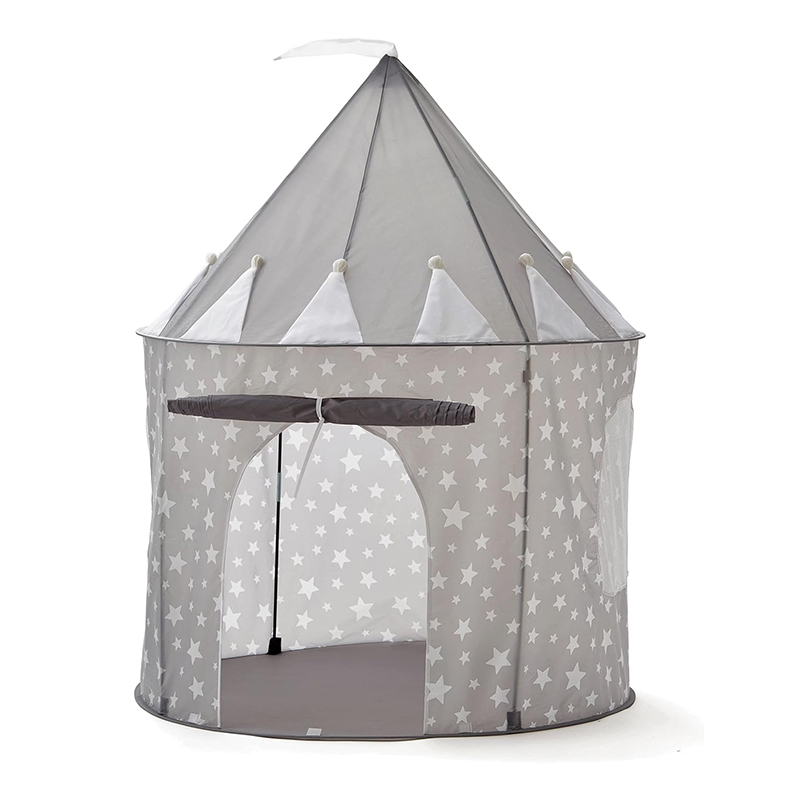
Before folding a pop up play tent, take a moment to understand what you are holding. Most models are made with lightweight fabric stretched over a flexible support frame. In many children’s tents, that frame is created with steel wire, fiberglass rods, or a combination of both. The tent keeps its shape because the frame stores tension when it opens, and that same tension is what helps it collapse into compact loops when folded.
If the tent has mesh windows, door curtains, or decorative castle-style panels, these soft parts do not control the fold. The frame does. That is why the folding method should focus on the circular or arched structure rather than the fabric surface. When users try to press the fabric down without guiding the frame, the tent usually pops back up or folds unevenly. A better approach is to work with the frame’s natural flexibility instead of fighting it.
Start by removing any toys, cushions, or accessories from inside the tent. Make sure the base is empty so the fabric can settle naturally. Then place the tent on a clean, flat surface. This helps the frame stay balanced and reduces the chance of bending one side more than the other.
If the tent includes ties, flaps, or hanging decorations, smooth them inward so they do not get caught while folding. It also helps to zip or close the front opening halfway if the design allows it. That keeps the fabric more centered during the process. For larger play tents, one hand can guide the top while the other controls the sides. For smaller indoor children’s tents, the fold can usually be done by one person in a few steps.
The first real step is to bring the tent down into a flat panel. Stand the tent upright and hold opposite sides of the frame. Gently push those sides toward each other so the tent narrows. At the same time, guide the top downward. The goal is to collapse the three-dimensional shape into a wide, flat oval or circle.
This stage is important because it resets the tent from an open play structure into a folding position. Do not rush here. If the frame looks uneven, pause and straighten it before continuing. A balanced flat shape makes the next twist much easier. If the tent is a castle play tent with a higher roof section, keep the roof centered as you compress the body. Once flattened, the tent should feel more manageable in your hands and less likely to spring in different directions.
After the tent is flat, hold the frame at two points near the top and bottom. Bring the hands slightly toward each other, then twist one side inward. This creates tension in the flexible frame and begins to form overlapping loops. In most pop up tents, the frame naturally wants to become two or three smaller circles stacked on top of each other.
Think of the movement as guiding the frame into a figure-eight and then collapsing that shape into round loops. You do not need excessive force. A smooth twist and controlled inward motion usually works better than trying to press everything down at once. If the frame resists, it often means the flat shape was not aligned well in the previous step. Reopen it, flatten again, and try once more.
When the loops overlap evenly, the tent should become compact enough to fit back into its storage bag. After a few tries, the motion becomes familiar. Many people struggle the first time simply because the direction of the twist is new to them.
Once the tent is folded into compact circles, hold the loops together firmly and use the storage strap, elastic band, or carry bag to keep the shape in place. If the model comes with a handbag or storage case, slide the folded tent in slowly rather than forcing it. This protects both the frame and the fabric edges.
Proper storage helps extend the service life of the tent. A pop up play tent that is folded neatly is less likely to suffer from frame distortion, crease stress, or stitching damage. For home users, this means less frustration the next time the tent is opened. For sellers and wholesale buyers, it also supports a better user experience after purchase, which is especially important in children’s products where convenience strongly affects satisfaction.
One common problem is that the tent keeps reopening before it is fully secured. This usually happens because the loops are not aligned evenly. Adjust the circles so they sit directly on top of each other before placing them into the bag. Another issue is that one side looks twisted while the other side looks flat. In that case, reopen the tent completely and restart from the flat-panel stage instead of forcing the uneven fold.
Some users also worry that bending the tent will damage the frame. With a properly made pop up tent, normal folding will not harm the structure. These tents are designed to flex repeatedly. The key is controlled movement. Sharp jerks, stepping on the frame, or stuffing the tent carelessly into a bag can create unnecessary stress, but correct folding does not.
If the tent has been stored open for a long time, the fabric may shift slightly and make the first fold feel awkward. A quick adjustment of the edges and a smoother working surface usually solves that. In most cases, folding difficulty is about technique, not product failure.
For children’s play tents, folding is not just a small feature. It affects how often the tent is actually used. A tent that opens quickly but stores poorly often gets left out in the room, while a tent that folds down neatly is much easier to move, clean around, and store between uses. That is especially useful in bedrooms, play corners, apartments, and seasonal indoor setups where space matters.
From a product standpoint, easy folding also reflects thoughtful structural design. A well-made play tent balances visual appeal, usable interior space, ventilation, and packability. Mesh windows improve airflow and visibility, while lightweight fabric and flexible support materials make daily handling easier. For buyers sourcing children’s tents in bulk, these practical details are just as important as color or appearance because they directly affect customer feedback and repeat orders.
If you are choosing a play tent for retail or project supply, the folding experience should be part of your evaluation. Look for a structure that opens smoothly, holds shape well during play, and returns to a compact form without complicated assembly. Materials also matter. Durable polyester fabric, breathable mesh sections, and a stable frame system help support repeated use in homes, daycare environments, and gift-oriented sales channels.
Customization can also be valuable. Size, color, printed pattern, packaging, and structural details all influence how the final tent fits a target market. A children’s tent may need to feel decorative for home use, compact for e-commerce packing, or practical for volume orders. The easier the product is to open, fold, and store, the stronger its appeal in real-world use.
Learning how to fold a pop up play tent becomes much easier once you understand the frame. Flatten the tent first, guide the flexible structure into overlapping circles, and secure it carefully for storage. That simple method works far better than trying to press the tent down randomly. With the right technique, folding takes only a short moment and helps keep the tent tidy, portable, and ready for the next use.
If you are comparing children’s play tents and want more guidance on structure, folding, material options, or customization details, feel free to contact us. We can help you understand the product more clearly and provide practical support for selection, storage, and bulk sourcing needs.