A hammock can look simple, but proper setup is what decides whether it feels safe, comfortable, and worth using again. Many people focus only on the fabric or color when choosing a hammock, yet the real experience depends on how easily it can be hung, how stable it stays, and how well it performs in different outdoor settings. That is why this topic matters not only for campers and travelers, but also for importers, wholesalers, and brand buyers building an outdoor product line.
When people search how to hang a hammock, they usually want a clear and reliable method. For B-end buyers, the question goes one step further. They also want to know whether the product is practical for real outdoor use, whether setup is simple for end users, and whether the supplier can support stable quality in repeat orders. This is where our product fits naturally into the topic. A portable Camping Hammock is not only about carrying convenience. It is also about fast setup, dependable support, and better use experience in outdoor environments. In many markets, that is exactly what makes a portable adventure hammock easier to sell and easier to position.
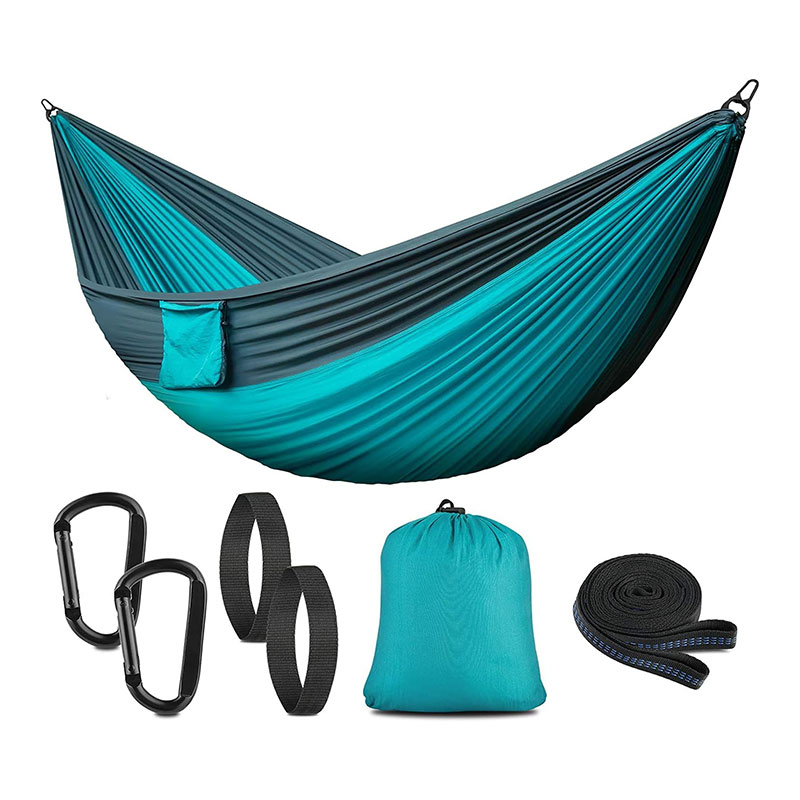
A hammock is only as good as the way it is installed. Even a durable product can feel unstable if the hanging points are chosen badly or if the straps are not adjusted evenly. When the angle is wrong, the hammock may feel too tight, too low, or too easy to flip. That affects comfort first, but it also affects how users judge the quality of the product itself.
This is important in product sourcing because customer feedback often comes from use experience, not only from material inspection. A hammock that is easy to hang correctly gives end users more confidence. That means fewer complaints, smoother reviews, and better repeat business. For buyers in retail, ecommerce, and outdoor supply, setup convenience is one of the most practical selling points.
The first step in hanging a hammock is choosing two secure anchor points. In outdoor use, these are often two healthy trees with enough distance between them to allow the hammock to curve naturally. The support points need to be strong enough to hold both the user and the movement that happens during getting in and out. If the support is weak, the whole setup becomes risky no matter how strong the hammock fabric appears.
Spacing matters too. If the trees are too close, the hammock may sit too high and feel too tight. If they are too far apart, the hammock may sag too much or place too much pressure on the straps. A balanced setup creates the best result. For end users, this means comfort. For buyers, it means the product should be designed with realistic setup needs in mind rather than only appearance.
Our products connect well to this point because a portable camping hammock is meant for flexible outdoor use. The easier it is for the customer to identify proper hanging points and complete setup quickly, the stronger the product value becomes after sale.
A good hammock setup usually starts by wrapping the tree straps around two stable supports at a suitable height. After that, the hammock body is attached evenly on both sides. The goal is to create a gentle curve rather than pulling the hammock flat. A hammock that hangs with a natural sag is usually more comfortable and more stable in actual use.
This part matters because many first-time users make the hammock too tight. They expect it to look straight, but that often makes lying down less comfortable and increases stress on the setup. A more relaxed curve usually gives better balance and a more comfortable resting angle. Once both sides are attached, users should test the height carefully before fully loading the hammock. A small adjustment at this stage can make a big difference later.
For commercial buyers, ease of installation is one of the strongest market points in this category. Outdoor users want products that feel intuitive. If the setup process is too complicated, the product quickly loses appeal even when the material quality is good.
Outdoor products are judged not only by how they perform once opened, but also by how easily they travel. A hammock that is light, compact, and easy to pack has much stronger appeal in hiking, backpacking, festival, and travel markets. This is one reason the portable adventure hammock category continues to attract atTention. Buyers are not only looking for a place to rest. They are looking for products that fit mobile outdoor lifestyles.
That also affects how products are positioned in wholesale and private label business. A portable item is easier to market because it serves more than one use scene. It can be promoted for camping, trekking, beach trips, backyard leisure, and light travel. For buyers, that wider use story creates more flexibility in catalogs, online listings, and seasonal promotions.
For B-end buyers, the biggest concern is rarely the basic idea of the hammock. The real concern is whether the product performs consistently after bulk production. They want to know whether the fabric strength stays stable, whether the stitching remains reliable, whether the load-bearing system feels trustworthy, and whether packaging and accessories match the target market.
Another pain point is that some products look attractive in photos but create frustration in real use. If hanging takes too long, if the straps feel inconvenient, or if the setup does not feel secure, the customer may blame the product rather than the setup method. That is why buyers often look for suppliers who understand not only manufacturing, but also real use conditions.
A supplier should help reduce these risks. In outdoor categories, this often means offering stable production, practical product details, and support for customization. That is where OEM and ODM cooperation become especially valuable.
Many buyers do not want only a standard hammock with no variation. They may need different colors, branded packaging, specific strap combinations, logo printing, or adjustments that better suit their local market. In these cases, OEM and ODM support become part of the real product value.
This matters because outdoor products are often sold through brand identity and use scenario. A buyer may want the hammock to match a camping collection, a survival gear line, or a travel accessory program. A supplier who can support that development gives the buyer more room to build a stronger market position.
Our products are suitable for this kind of cooperation because hammock sourcing is often connected to broader outdoor programs. Buyers may not be purchasing one item only. They may be planning a full seasonal line that depends on stable quality, clear communication, and repeat order consistency.
A hammock may be easy to list online, but long-term sales depend on what happens after the customer receives it. If the setup feels smooth and the use experience is comfortable, the product earns better trust. If the hanging process feels confusing or unstable, returns and complaints become more likely. This is why proper hanging guidance matters just as much as product design.
For buyers, that means the best product is not simply the cheapest one. It is the one that combines portability, ease of setup, dependable structure, and supplier reliability. A portable adventure hammock with clear market positioning and solid OEM or ODM support usually creates stronger value over time than a product chosen only for low first cost.
In outdoor business, one product often leads to another. Buyers who develop a hammock line may also expand into mosquito nets, tents, straps, or other related items. That is why supplier capability matters so much. A supplier who understands category development can support more than one transaction. They can help buyers build a more connected outdoor offering.
This is where a hammock becomes more than a simple leisure item. It becomes part of a wider camping and travel solution. For importers, wholesalers, and private label buyers, that broader potential makes the category more attractive and more practical in long-term planning.
Learning how to hang a hammock correctly is the key to getting the comfort and stability people expect from outdoor rest. The right support points, balanced strap setup, and natural hanging angle all make a real difference. A hammock should feel easy to install, safe to use, and practical to carry, especially in outdoor settings where convenience matters most.
For buyers, the value goes beyond simple setup. A good portable adventure hammock should combine portability, dependable structure, and market-ready flexibility. If you are sourcing camping hammocks for wholesale, retail, ecommerce, or OEM and ODM development, feel free to contact us. We can help review product details, customization direction, and order planning so you can choose a hammock solution that fits your market more accurately.