mosquito nets are commonly recognized as an effective barrier against mosquitoes, especially in homes, dormitories, and travel accommodations. However, many users also want to know whether these nets offer broader insect protection, particularly in regions where small flies, ants, moths, or midges are common. The answer depends on fabric density, mesh size, and structural design. High-quality nets such as JUNXING’s indoor mosquito nets are engineered not only to block mosquitoes with precision but also to provide extended protection from a wide range of tiny intruders. This article explains how mosquito nets perform against different insects and what design features improve overall protection.
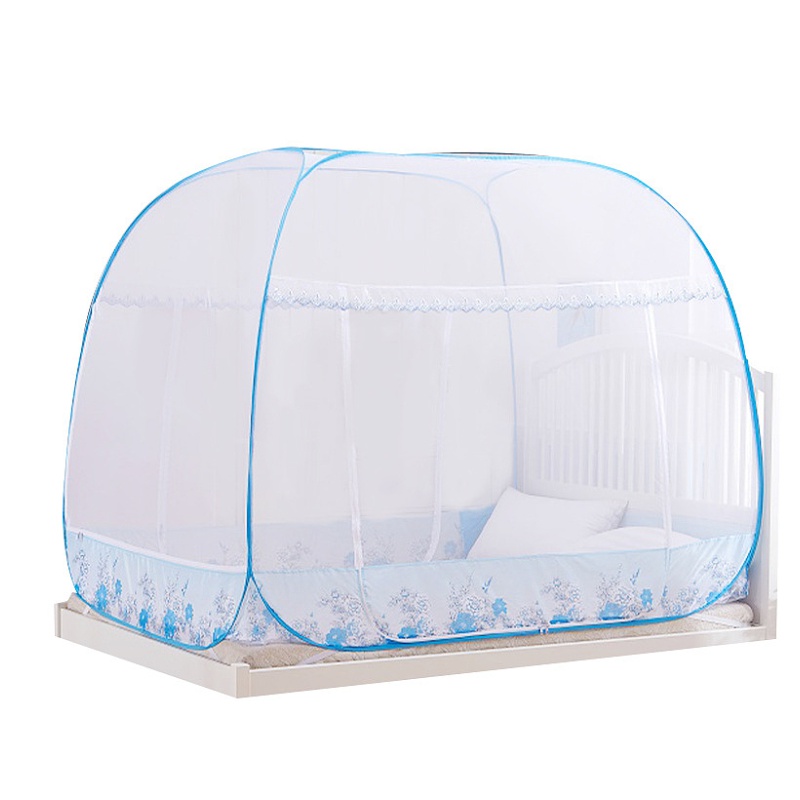
At the core of a mosquito net’s effectiveness is its mesh density. The tighter the weave, the smaller the openings, and the greater the protection against various insects. Most standard mosquito nets feature a mesh size that blocks mosquitoes, but high-density nets can stop significantly smaller insects as well.
High-quality Indoor Mosquito Nets, like those offered by JUNXING, use enhanced mesh designs that maintain excellent airflow while offering advanced insect filtration. This balance is critical for comfort and effective protection during long hours of use.
Flies are larger than mosquitoes, meaning almost all mosquito nets can block them easily. Their size prevents them from navigating through narrow mesh openings typically used for indoor nets.
Key points:
Houseflies measure approximately 6–7 mm in length.
Most mosquito net mesh openings are significantly smaller.
Even basic mesh densities exceed the protection level required to block flies.
Therefore, any well-made mosquito net, especially high-density models from JUNXING, effectively prevents flies from entering sleeping or living spaces.
Moths vary widely in size, but even smaller moth species generally exceed the mesh opening of standard mosquito nets. However, light sources attract moths, meaning nets must maintain secure boundaries and prevent lifting or gaps at the bottom.
Mosquito nets with reinforced bottom edges, elastic hems, or tuck-in designs—features found in JUNXING’s indoor net structures—significantly improve protection from moth intrusion.
These insects are much smaller and can pass through low-density mosquito nets. Whether a mosquito net blocks midges depends entirely on mesh fineness.
Comparison Table:
| Insect Type | Approximate Size | Can Standard Net Block It? | High-Density JUNXING Net |
|---|---|---|---|
| Mosquito | 3–6 mm | Yes | Yes |
| Fly | 6–7 mm | Yes | Yes |
| Moth | 4–20 mm | Yes | Yes |
| Midge/Sandfly | 1–3 mm | Not always | Yes (higher mesh count) |
JUNXING designs certain indoor mosquito nets with finer mesh options intended to reduce intrusion from extremely small insects, while still preserving good airflow.
Mosquito nets are primarily designed to block flying insects, but they can also slow or stop crawling insects if installed properly. The key factor is whether edges are sealed or tucked tightly.
Recommended measures:
Ensure the net rests completely around the bed or floor area.
Tuck the bottom edges under the mattress or use weighted hems.
Avoid leaving openings near the entry point.
JUNXING’s indoor mosquito nets use structured frames and secure bottom edges that limit entry paths for crawling insects, although no net can fully replace general household pest-control practices.
Bees and wasps are larger and physically unable to pass through mosquito net mesh. For households in areas where these insects enter through windows or vents, mosquito nets offer an additional preventive barrier.
Mesh advantages include:
Narrow openings eliminate passage routes.
Soft fabric avoids harming the insects, reducing risk of defensive stings.
Light airflow ensures nets do not collapse when bees land on them.
JUNXING nets maintain shape well due to reinforced frame construction, keeping the barrier upright even with external contact.
A mosquito net’s structure influences more than simply mesh density. High-quality nets incorporate additional features that reduce insect entry from all sides.
Common safety-enhancing features:
Reinforced top loops or frames
Durable seams that withstand daily tension
Fabric elasticity that keeps the mesh taut
Smooth edges to prevent accidental lifting
Support rings that maintain shape around the user
These design qualities are characteristic of JUNXING’s indoor mosquito nets, which are built for consisTent performance in bedrooms, hostels, and travel environments.
Breathability is a crucial element of any mosquito net, but increasing airflow does not necessarily reduce protection. Well-engineered nets use thin, high-tensile fibers arranged in tight patterns, creating small openings that enhance filtration without compromising ventilation.
JUNXING’s products use mesh structures optimized for:
Airflow circulation
Body-temperature comfort
High insect filtration efficiency
Long-term shape retention
This combination ensures that nets remain both protective and comfortable for extended overnight use.
Even the highest-quality mosquito net will fail if installed incorrectly. Gaps at the top, sides, or bottom give insects access points. Installation must complement product design:
Hooks must be placed securely to avoid sagging.
Nets must be pulled evenly on all sides.
The area around the bed must be free of items that lift the net unintentionally.
JUNXING includes installation guidance with each model, helping users achieve full protective coverage in just a few steps.
Yes, mosquito nets can block many other insects beyond mosquitoes, including flies, moths, bees, and even tiny midges when using high-density mesh. Proper installation, mesh size, structural integrity, and durable construction all influence overall performance. JUNXING’s indoor mosquito nets are designed with these elements in mind, offering reliable and extended protection for bedrooms and living spaces.
By choosing well-constructed nets and installing them correctly, users can enjoy a more comfortable, insect-free environment throughout the year.