mosquito nets are widely used to protect people from insect bites, improve sleeping comfort, and reduce the risk of mosquito-borne disturbances. However, not all mosquito nets are designed for the same environment. Indoor Mosquito Nets and Outdoor Mosquito Nets differ significantly in structure, material performance, installation method, and durability expectations. Choosing the wrong type often leads to poor protection, shortened service life, or inconvenient daily use.
This article explains the key differences between indoor and outdoor mosquito nets in detail, helping buyers and project planners select the correct solution for real usage scenarios. All explanations are aligned with JUNXING mosquito net products, including indoor mosquito nets and outdoor mosquito nets.
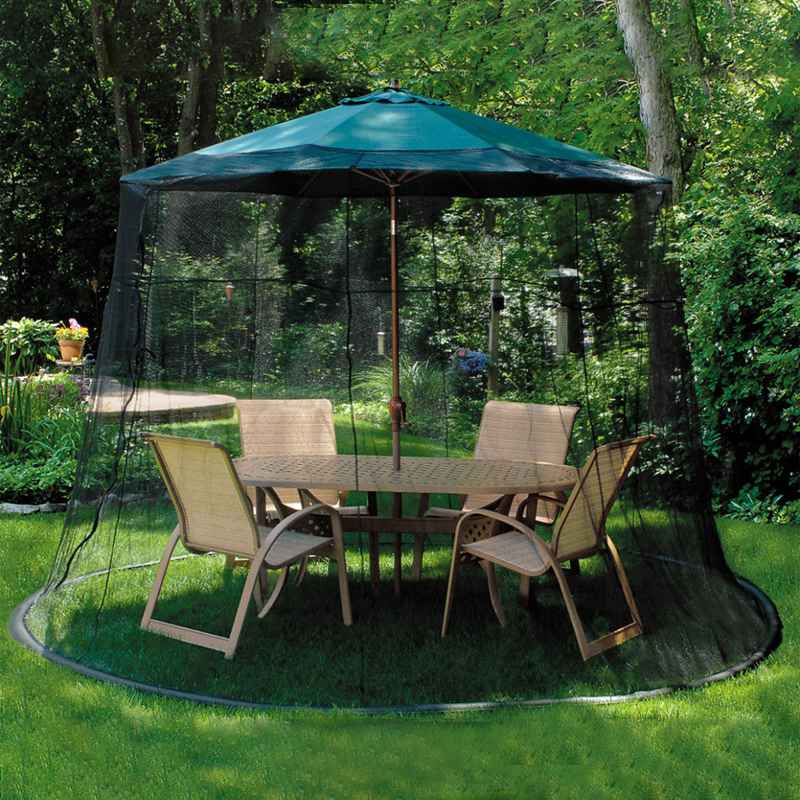
The most fundamental difference between indoor and outdoor mosquito nets comes from where they are used. Indoor environments are relatively stable. Outdoor environments are exposed to wind, sunlight, moisture, and temperature changes. These environmental factors directly influence how mosquito nets are designed and manufactured.
Indoor mosquito nets focus more on comfort, appearance, airflow, and ease of daily use. Outdoor mosquito nets focus more on strength, weather resistance, structural stability, and long-term durability under harsh conditions.
Because of this, materials and construction methods that work well indoors may fail quickly outdoors.
Material selection is one of the most important differences.
Indoor mosquito nets are usually made from lightweight polyester or similar fine mesh materials. These materials prioritize softness, breathability, and visual transparency. They are comfortable for sleeping areas and do not block indoor airflow or light.
Outdoor mosquito nets use stronger yarns and higher-density weaving to resist tearing, stretching, and deformation. Outdoor nets often need enhanced UV resistance to prevent aging from sunlight exposure, as well as improved moisture resistance to avoid mildew or odor in humid environments.
JUNXING outdoor mosquito nets are designed to handle continuous exposure to outdoor conditions, while indoor mosquito nets emphasize comfort and visual integration with interior spaces.
Mesh density affects both insect protection and airflow.
Indoor mosquito nets typically use finer mesh that blocks mosquitoes effectively while maintaining soft drape and good air circulation. Since there is little physical stress indoors, ultra-high tensile strength is not the primary requirement.
Outdoor mosquito nets often require reinforced mesh and stronger edge binding. Wind movement, repeated opening and closing, and occasional contact with furniture or human movement place higher stress on the net. A stronger structure helps prevent tearing and deformation over time.
Outdoor nets may also feature reinforced borders or double-stitched edges to maintain shape during long-term use.
Installation style is another major difference between indoor and outdoor mosquito nets.
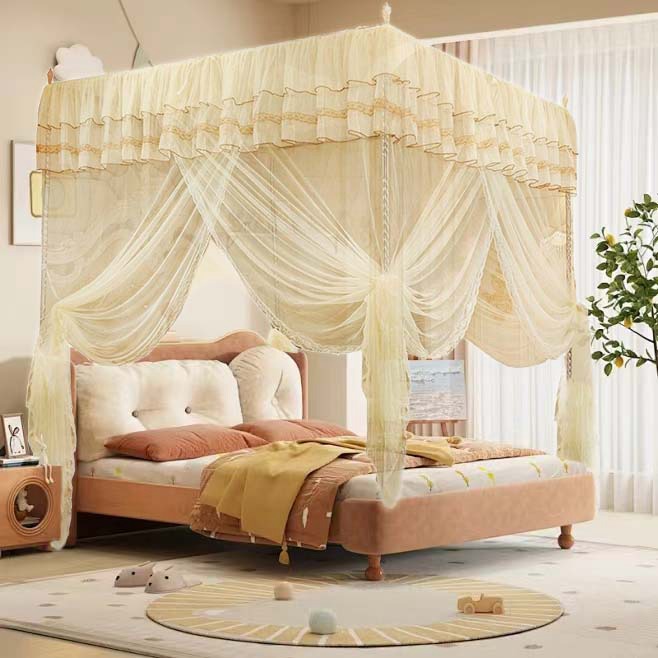
Indoor mosquito nets are usually designed for simple installation. Common methods include hanging from the ceiling, attaching to window frames, or installing on bed frames. Ease of removal and cleaning is often a key consideration for indoor users.
Outdoor mosquito nets must support more complex installation conditions. They may be installed on patios, gazebos, camping Tents, balconies, or pergolas. These installations require stronger fixing points, stable frames, or adjustable fastening systems to handle wind and movement.
JUNXING outdoor mosquito nets are designed with flexible installation solutions suitable for different outdoor structures, while indoor mosquito nets focus on user-friendly setup and removal.
Indoor mosquito nets usually experience lower mechanical stress. As a result, their service life depends more on cleaning frequency and fabric care rather than structural fatigue.
Outdoor mosquito nets are expected to remain functional over longer periods under tougher conditions. UV exposure, rain, dust, and repeated handling all affect longevity. Outdoor products must maintain mesh integrity, shape stability, and fastening strength throughout seasonal use.
This difference explains why outdoor mosquito nets often have higher material specifications and thicker fabric construction compared to indoor versions.
Comfort is a primary factor for indoor mosquito nets. Softness, smooth edges, and quiet movement are important, especially for sleeping areas. Indoor nets are often designed to blend into bedroom or living room decor without creating visual clutter.
Outdoor mosquito nets place less emphasis on softness and more emphasis on function. While comfort is still important, outdoor users generally prioritize protection coverage, stability, and resistance to environmental factors over fabric softness.
JUNXING designs indoor mosquito nets to complement interior environments while ensuring effective insect protection.
Indoor mosquito nets are commonly used in the following settings.
Bedrooms and sleeping areas
Nursery rooms and children’s beds
Living spaces with frequent ventilation
Hotels and residential apartments
Outdoor mosquito nets are typically used in these environments.
Patios and balconies
Camping and outdoor recreation areas
Gazebos and pergolas
Garden seating and dining areas
Choosing a net designed specifically for the intended environment ensures better performance and longer service life.
| Comparison factor | Indoor mosquito nets | Outdoor mosquito nets |
|---|---|---|
| Main usage environment | Bedrooms and indoor spaces | Patios, gardens, camping areas |
| Material focus | Lightweight and breathable | Strong and weather-resistant |
| Mesh structure | Fine and soft | Reinforced and durable |
| Installation priority | Easy setup and removal | Stable fixing and wind resistance |
| Durability demand | Moderate | High |
| Comfort emphasis | High | Medium |
This comparison highlights why one type should not be substituted directly for the other.
Using an indoor mosquito net outdoors often results in premature tearing, UV damage, and loss of shape. Using an outdoor mosquito net indoors may reduce comfort and visual appeal unnecessarily. Matching the product to the environment reduces replacement frequency and improves user satisfaction.
JUNXING provides both indoor mosquito nets and outdoor mosquito nets to ensure users can select the correct solution based on real application needs.
Mosquito net performance depends on consistent material quality, reliable stitching, and practical design. JUNXING focuses on producing mosquito nets that meet the functional requirements of different environments without compromising usability.
By offering specialized products for both indoor and outdoor use, JUNXING helps buyers avoid common selection mistakes and achieve better long-term protection and comfort.
The differences between indoor and outdoor mosquito nets lie in material strength, structural design, installation method, durability expectations, and comfort priorities. Indoor mosquito nets are optimized for softness, breathability, and ease of use in stable environments. Outdoor mosquito nets are engineered for strength, weather resistance, and long-term performance under challenging conditions.
Selecting the correct type based on actual usage environment ensures better protection, longer service life, and a more comfortable experience. With dedicated indoor mosquito nets and outdoor mosquito nets, JUNXING provides reliable solutions for both indoor living spaces and outdoor environments.