Yes, a pop up play Tent can be used outdoors, as long as it is treated as a short-duration, supervised play shelter rather than a weather-proof camping tent. Most pop up play tents are designed for fast setup, lightweight portability, and easy storage. Those strengths make them ideal for backyards, parks, and casual outdoor gatherings, but they also mean the tent must be protected from strong wind, heavy rain, and prolonged sun exposure.
Outdoor success comes down to controlling three practical risks: ground abrasion, wind lift, and moisture retention. When these are managed, a pop up play tent becomes a reliable, portable play zone that keeps toys contained, gives kids a defined space, and supports calmer play during outdoor time. We are JUNXING, and our pop up kids tent options can be found here: Pop Up Play Tent.
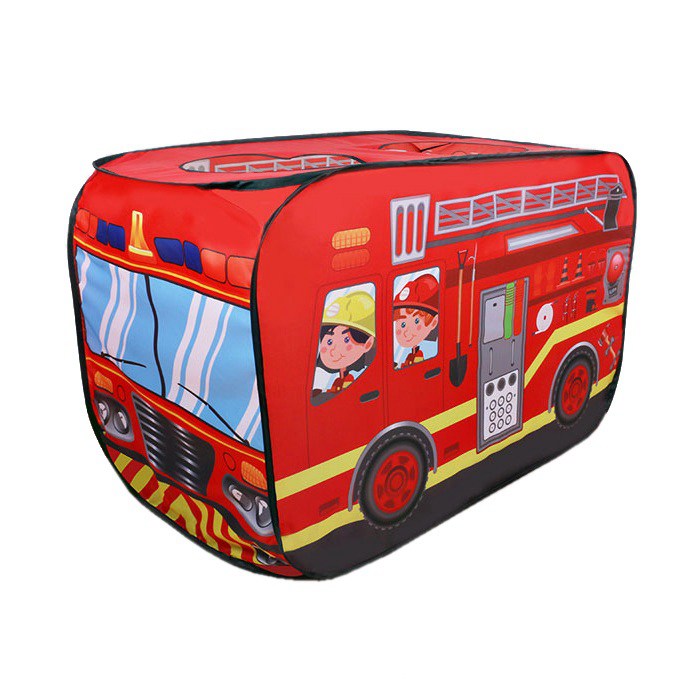
Outdoor use is not a single scenario. It helps to define what kind of outdoor use you expect, because the tent’s performance will depend on exposure time and weather stability.
Short sessions in stable weather
This is the most suitable use case. The tent is set up for play during the day, used for one session, then packed away. Typical examples include backyard play after school, a weekend park visit, or a family picnic.
Repeated sessions with proper care
The tent can be used outdoors frequently if it is dried, cleaned, and stored properly between uses. In this mode, the tent remains portable rather than permanently installed.
Long exposure or severe conditions
This is where problems happen. Leaving the tent outside overnight, using it during gusty wind, or expecting it to withstand heavy rain will increase the risk of deformation, fabric aging, odor, and damage at seams or edges. Pop up play tents are not built for that environment.
A good rule for buyers and parents is simple: if you would not leave a light foldable stroller outside in the same weather, do not leave the play tent outside either.
Outdoor performance is influenced by both the fabric and the pop up frame system. Understanding how each behaves helps you choose the right placement and anchoring method.
Many kids pop up tents use polyester fabric because it balances weight, durability, and quick drying. Polyester handles casual outdoor use well, but outdoor suitability is strongly affected by:
UV exposure time, which can fade prints and gradually age fibers
Moisture contact time, which affects odor risk if stored damp
Abrasion from rough ground, which can wear the tent base over time
A play tent that is placed on grass, a mat, or sand will last longer than one placed directly on gravel or concrete.
Pop up tents rely on spring steel or flexible frame rings to hold shape. This creates fast setup, but wind can push against the large surface area and create lift. Outdoor stability depends on:
Whether the base can be weighted or anchored
Whether the entrance is positioned away from wind
Whether the tent is allowed to sit naturally rather than being pulled tight by cords
Avoid stretching the tent body too hard. Light tension is fine for stability, but over-tension can distort the frame and reduce the tent’s ability to pop open evenly over time.
A pop up play tent performs best in outdoor locations where the ground is forgiving and where you can respond quickly if weather shifts.
Backyards are ideal because you can choose a flat, clean area and keep the tent away from sprinklers, pools, and grilling zones. If a gust comes, you can stabilize the corners immediately or pack it away.
Park lawns are suitable when wind is mild. Because parks are more open than backyards, wind gusts may appear without warning. Using small weights or corner anchoring improves stability and reduces sliding on grass.
A beach can work well when wind is light. Sand allows easy anchoring, but beach wind can rise suddenly. Sand also introduces maintenance needs, because grains can wear zippers and mesh if not shaken out before folding.
A play tent can function as a controlled kids zone at family gatherings. The best approach is to position it away from foot traffic and to stabilize corners so kids entering and exiting do not shift the whole tent.
Outdoor use is most enjoyable when the tent remains a light shelter for play, not a fixed structure that must handle continuous exposure.
A pop up play tent can be damaged or become unsafe when used in conditions beyond its design scope. Avoid these situations.
Strong wind or gusty weather
Wind can lift, roll, or flip a lightweight tent. Even if the fabric does not tear, sudden movement can create safety concerns around children.
Heavy rain, storms, or long drizzle
Light splashes may be manageable, but prolonged wet exposure can saturate seams and leave the interior damp. Packing a damp tent is the fastest path to odor and mildew-like staining.
Prolonged direct sun day after day
A short session in sun is fine, but extended exposure accelerates fading and fabric aging. Continuous sun also increases heat buildup inside the tent.
Rough or sharp ground
Gravel, broken branches, thorns, and sharp stones can abrade the base and stress seams. A ground mat is strongly recommended when the surface is not soft grass.
Unsupervised outdoor use
Pop up play tents are designed for supervised play. Unattended outdoor placement increases the chance of wind issues, contamination, and unexpected damage.
This setup method focuses on stability, comfort, and long-term usability. It works for most outdoor locations.
Choose a flat area with enough space around the tent for safe movement
Remove sticks, stones, and sharp debris
If the surface is rough or hot, place a picnic mat or thin groundsheet first
A mat also improves comfort and keeps the tent cleaner during play.
Open the tent fully and allow the frame to relax into its natural shape. If the frame looks twisted, rotate the tent gently rather than forcing corners. A properly settled frame holds shape better and reduces stress points.
If wind is present, face the entrance away from wind direction
If sun is strong, angle the entrance to reduce direct sun into the play area
This reduces billowing and improves comfort.
Choose the best method available for your location:
Grass or soil: use ground pegs if loops are available
Hard ground: use small sandbags, corner weights, or water bottles as weights
Beach: bury corner edges slightly and use sand as natural anchoring
The goal is to prevent lift and sliding, not to pull the tent tight.
Make sure no hard objects are underneath the floor area
Ensure edges are not rubbing against sharp surfaces
Keep the tent away from grills, tools, bikes, and high-traffic paths
Once kids move in and out, the tent may shift. Re-check corners, base weights, and entrance alignment. Small adjustments early prevent repeated drifting later.
Wind is the main outdoor risk for pop up play tents. Managing wind is about reducing lift forces and preventing sudden movement.
Four-corner stabilization
Even light weights at all corners are better than heavy weight on only one side. Uneven stabilization leads to twisting and shifting.
Lower profile placement and sheltered positioning
Place the tent near a fence, hedge, or low wall when possible, without blocking airflow completely. Sheltering reduces gust impact.
Entrance direction control
Facing the entrance away from wind reduces the parachute effect and limits interior billowing.
Using a mat that overlaps the base edge
A mat that extends beyond the base increases friction and adds passive weight, especially on smooth patios.
Relying on the tent’s frame alone without anchoring
Using a single weight in the center of the tent floor, which does not stop edge lift
Leaving the tent on a raised deck during breezy conditions without corner weights
If the tent walls are constantly pushing inward or the base corners are lifting repeatedly, the safest decision is to pack it away and resume later.
Many buyers assume a play tent automatically provides comfortable shade. Shade helps, but heat can still build quickly in a small enclosure, especially when the tent is in direct sun and the ground beneath it is hot.
Prefer partial shade when possible
Tree shade or umbrella shade reduces interior heat and improves play comfort.
Maintain airflow
Keep ventilation areas unobstructed. If the design allows, keep the entrance partially open during hot weather.
Limit session duration on hot days
Short sessions reduce discomfort risk. If children begin sweating heavily or avoiding the tent interior, reposition it or pause play.
Avoid heat-retaining ground surfaces
Concrete and dark decking can radiate heat upward. A mat creates insulation and improves comfort.
Keep hydration and supervision consistent
Outdoor play zones should remain within visible supervision range, especially when the tent is used as a quiet corner where children may stay longer than expected.
Outdoor moisture is not only rain. Wet grass, morning dew, and humidity can leave the tent base damp. If a damp tent is folded and stored, odor and staining risk increases significantly.
Shake out debris before folding
Remove grass, leaves, and sand. Sand is especially important because it can abrade seams during storage.
Air-dry fully if the tent is damp
Open it in a shaded, ventilated area until completely dry. Even slight dampness can create odor after storage.
Spot clean with mild soap and water
If stains appear, use a mild cleaning approach. Avoid harsh chemicals that can weaken fibers or dull printed surfaces.
Store in a dry, clean location
Avoid storing in humid corners or near wet shoes and sports gear. Clean storage helps keep the tent fresh and stable.
Check the folding method
Improper folding can twist the frame and cause uneven pop up behavior next time. Follow the standard folding steps so the frame tension remains balanced.
Outdoor issues are usually predictable and easy to correct when addressed early.
Add corner weights
Use a mat under the tent to increase friction
Avoid sloped ground where gravity slowly shifts the base
Close and re-open the tent so the frame can settle
Ensure weights are evenly placed
Avoid pulling one side tight with cords while the other side remains loose
Rotate the tent so the entrance is away from wind
Use two light side weights near the entrance corners
Avoid placing the tent in a wind tunnel between buildings
Move the tent to a dry area for a few minutes before folding
Wipe the base quickly with a dry towel
Air-dry fully at home if needed
Shift to partial shade
Keep the entrance open for airflow
Reduce session time and re-check comfort frequently
A pop up play tent can be used outdoors successfully when it is used for supervised, short-duration play in mild weather and when basic stability steps are followed. The most important outdoor practices are choosing a clean, flat surface, stabilizing the base against wind, controlling sun exposure to reduce heat buildup, and drying the tent fully before storage. When these points are handled well, a pop up play tent becomes a practical outdoor play solution for backyards, parks, and family gatherings while maintaining consistent performance over time.
To explore available styles and configurations, visit: Pop Up Play Tent.