A pop up play Tent usually does not need traditional poles in the way a camping tent does. Most pop up kids tents use a built-in flexible frame that is already attached to the fabric. When you take it out of the bag, the frame springs into shape automatically. That is why pop up tents are popular for playrooms, bedrooms, daycare corners, and quick outdoor play setups: they reduce assembly steps and remove the common “missing pole” problem.
However, not every product marketed as a pop up tent is truly pole-free. Some designs still use separate supports for specific shapes such as tunnels, large multi-room sets, or tall house-style tents. The real question is not only whether poles exist, but whether the structure is safe, stable, and easy to manage for everyday parents and kids.
This guide explains how pop up tents are built, when poles are still used, how to check safety and stability, and how to choose the best option for your space. It also references JUNXING’s product category for quick comparison: kids play tent.
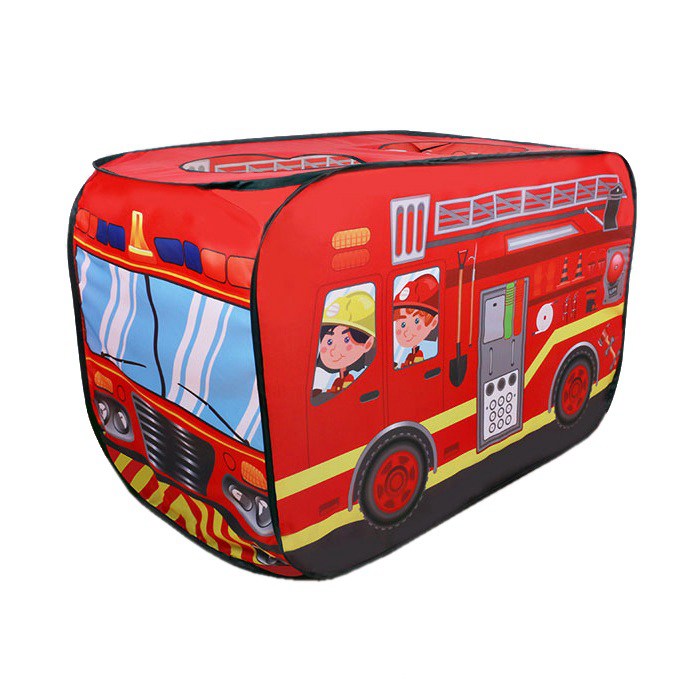
When buyers ask if a pop up play tent needs poles, they are usually thinking of separate parts like fiberglass rods or metal tubes that you connect and feed through sleeves.
There are three common structures in the market:
Pop up spring-frame design
The frame is built in and flexible. It unfolds automatically. No separate poles are required.
Hybrid pop up design
The main tent pops open, but optional supports may be added to improve height, create a canopy, or connect a tunnel. Some parts still count as poles even if assembly is minimal.
Traditional assembled design
This uses separate poles and sleeves like a camping tent, even if the listing uses the word pop up loosely.
If your priority is true fast setup, you want the first structure: a spring-frame tent that is designed to hold shape without separate parts.
A pole-free pop up tent relies on a flexible frame that behaves like a spring. This frame is usually formed into loops that create the walls and roof shape. When you release the tent from its folded state, the frame expands and tension holds the fabric taut.
What this structure changes in real life:
Setup is fast because the shape is pre-engineered
There are fewer loose parts to lose, especially in daycare or travel use
Kids are less likely to step on separate poles or pinch fingers during assembly
Storage and portability improve because the tent collapses into a flat circle
The trade-off is that the tent must be folded correctly to go back into the bag. Most frustrations with pop up tents come from folding technique, not from assembly.
Even within pop up categories, you may still see poles in these situations:
Large multi-piece play sets
Tunnel connectors or extra rooms sometimes use short supports to keep the connection open.
Tall house-style designs
A very tall roofline may use one or two supports to prevent sagging, especially if the tent includes windows, doors, or decorative roof shapes.
Outdoor-focused designs
If a kids tent is designed for windier outdoor use, additional supports may be included to improve stability, though ground stakes and guy lines are more common than rigid poles in kids products.
Enhanced canopy or shade features
A canopy extension might use a small rod to maintain shape and keep fabric from drooping.
If a product is described as pop up but includes parts you must assemble and feed through sleeves, treat it as a pole tent for buying decisions. Assembly time, storage steps, and long-term durability expectations become closer to traditional tents.
Pole-free does not automatically mean better for every family. It depends on the space you have and how often you will use it.
Advantages of a pole-free pop up tent:
Faster setup for busy parents and caregivers
Fewer components, so fewer chances of missing or broken parts
Lower barrier for kids to participate in cleanup and storage
Easier to move between rooms and take on trips
Limitations to consider:
Folding back into the bag requires learning the method
Some pop up tents can twist if handled roughly during folding
If the frame is bent from improper storage, it can affect shape and stability
Very large tents may be less rigid without reinforcement
Most home users value speed and simplicity. For them, the pole-free structure is usually the best fit, especially if the tent is used frequently for short play sessions.
Parents care about safety more than construction terminology. Whether a tent uses poles or a built-in frame, these are the factors that determine safe, comfortable use.
Important safety checks:
Rounded frame ends and protected edges
The frame should not expose sharp points. Edge binding should feel smooth and secure.
Stable base geometry
A stable footprint helps prevent tipping when kids crawl in and out.
Fabric and stitching quality
Strong stitching at stress points reduces tearing and prevents frame exposure.
Ventilation and visibility
Breathable panels and windows help airflow, reduce stuffiness, and allow supervision.
Age-appropriate space
A tent that is too small encourages rough pushing and twisting. A tent that is too large may need better anchoring for outdoor use.
Clear use guidance
Safe products include practical instructions for setup, folding, and care to prevent misuse damage.
A pole-free tent can be extremely safe when the frame is well-contained and the tent is sized correctly for the child’s play style.
Many buyers use the same tent both indoors and outdoors. This is possible, but the decision changes based on environment.
Indoor use patterns:
Poles are usually unnecessary
Stability is mainly about floor friction and footprint
Ventilation matters more than wind resistance
Soft flooring reduces impact risk
Outdoor use patterns:
Wind becomes a factor, even in mild conditions
Lightweight pop up tents can shift without anchoring
The tent should be used on clean surfaces to avoid fabric abrasion
Shade placement affects comfort and heat buildup
If you plan to use the tent outdoors regularly, choose a design that can be lightly anchored or positioned in a protected area. For occasional outdoor play, a standard pop up tent can still work well if you manage placement and supervision.
A good buying decision is based on daily use reality: where the tent will stay, how often it will be opened, and how many children will use it.
Use this selection checklist:
Measure your available space
Check floor area and height clearance. This avoids buying a tent that becomes clutter rather than a play zone.
Decide if you need true pop up convenience
If you will set up and pack away frequently, choose a tent that holds shape without separate poles.
Match tent style to play behavior
Active kids benefit from stable structure and smooth entry points. Quiet play benefits from windows, breathable panels, and cozy interior volume.
Prioritize easy cleaning
Kids bring snacks, toys, and dust inside. A tent that wipes clean easily supports real-life use.
Consider storage and portability
If you travel or reorganize rooms often, choose a pop up tent that folds compactly.
If you want a product category designed around quick setup and kid-friendly play scenarios, start with JUNXING’s kids play tent collection and compare shapes, sizes, and features based on your intended environment.
A true pop up play tent typically does not need separate poles because it uses a built-in flexible frame that springs into shape when unfolded. Some larger or more complex designs may include short supports, but for most home and everyday play use, pole-free pop up structure is the main advantage: faster setup, fewer parts, and easier storage.
If your priority is simple assembly and reliable daily play, choose a tent with a stable footprint, protected frame edges, breathable panels, and a size that matches your space and your child’s play style. When these factors are right, a pole-free pop up tent becomes a practical, safe play zone that is easy to use and easy to put away.