Choosing mosquito netting is not only about mesh. The structure determines how fast you can set it up, how well it stays sealed at night, how much headroom you get, and how easy it is to store. Two of the most popular structures for bed use are pop-up styles and canopy styles. They both protect against bites, but they suit different rooms, bed sizes, travel habits, and daily routines.
This guide compares pop-up versus canopy netting in a practical way. It focuses on real-life factors such as installation effort, stability, entry convenience, airflow, cleaning, storage, and who benefits most from each style. It also uses JUNXING’s product categories as reference points, including the circular pop up mosquito net and the dome mosquito net.
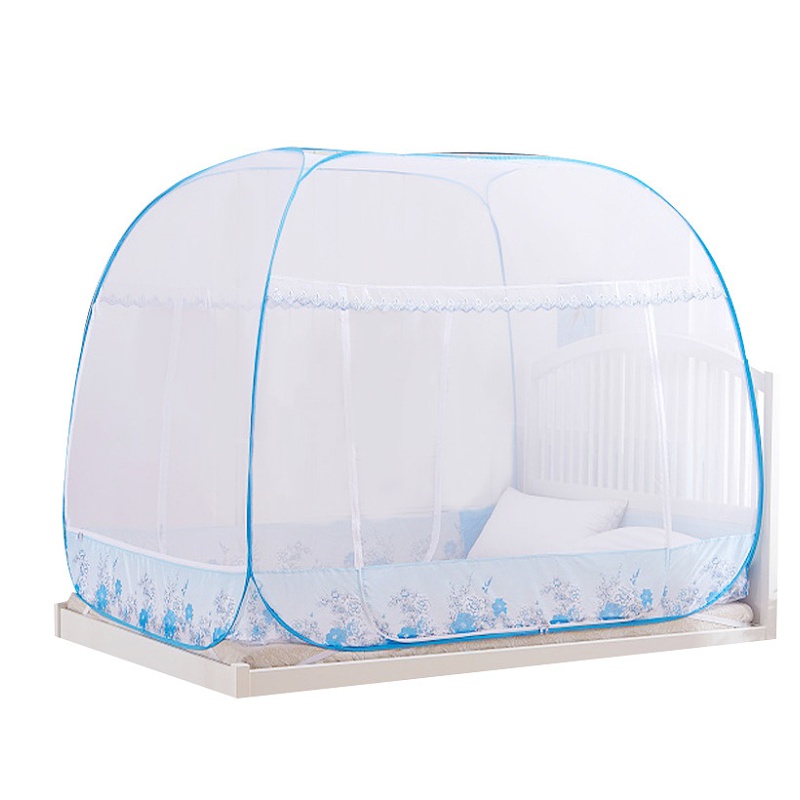
Pop-up netting usually refers to a net supported by an integrated flexible frame. The frame is already attached, so the net opens into shape quickly. The main advantage is speed and fewer parts. If you value a quick setup, easy take-down, and portable storage, pop-up structures are often the most convenient.
Canopy netting typically refers to a hanging structure that relies on overhead suspension points. It may use one central hanging point or multiple points depending on the shape. The main advantage is a spacious drape and a classic bedroom look. If you prefer a permanent installation and want to keep the net up for long periods, canopy structures often feel more “built-in” to the room.
In practical terms, pop-up tends to suit people who move, travel, or rearrange bedrooms, while canopy tends to suit people who want a stable, decorative, always-ready setup.
Setup is where the two styles feel most different, and it is also where many users decide which type fits their lifestyle.
Pop-up setup characteristics:
The structure opens into shape quickly because the frame is integrated.
No drilling is needed in most cases, which is useful for rentals or dorms.
The net can be packed away when not in use, freeing space in small rooms.
The main learning curve is folding it back into its compact form correctly.
Canopy setup characteristics:
Installation usually requires a hook, ceiling point, or wall bracket.
After the first installation, daily use can be simple because the net remains in place.
Adjusting height and drape may take a few tries to achieve a neat seal around the bed.
If you change bed position or move homes, you often need to re-install.
If you want a net you can deploy quickly, especially for seasonal mosquito periods or occasional use, pop-up is usually easier. If you want a net that stays up all the time and becomes part of the bedroom layout, canopy can be a better match.
Your bed size, ceiling height, and room layout matter more than many buyers expect. A net that is technically the correct size can still feel uncomfortable if headroom is low or if the structure touches the sleeper.
Pop-up in tight spaces:
A structured frame keeps the net away from your face and body better than a loose drape.
It can work well when the bed is close to a wall, because the shape is maintained without relying on wide draping space.
It is often easier to keep the mesh from collapsing inward when people turn in sleep.
Canopy in spacious rooms:
A canopy drape can feel airy and visually light, especially in larger bedrooms.
It works well when there is enough clearance for the net to hang without pressing against furniture.
It can accommodate different bed heights if the hanging point is positioned correctly.
A helpful way to decide is to look at your nightly movement and the available perimeter space around the bed. If you want the net to stay away from your body with minimal adjustment, a structured style can feel more comfortable. If you have more space and you like a soft draped look, canopy netting can feel more elegant.
For buyers who prefer a structured silhouette that holds its form, a dome-style frame is a common choice, and you can compare options such as the dome mosquito net when evaluating headroom and shape.
Mosquito protection depends on consisTent sealing. The most common failure is not the mesh itself, but an opening created by poor drape, gaps at the bottom, or frequent entry that disrupts the seal.
Pop-up sealing behavior:
The frame keeps edges stable, which can reduce random gaps created by fabric shift.
The base usually relies on being tucked under a mattress or resting evenly on the bed surface.
If you share a bed and enter from different sides, choose a pop-up design with practical entry access so the seal is not disturbed repeatedly.
Canopy sealing behavior:
The seal depends on drape length and how the fabric falls around the bed edges.
If the canopy is too short, gaps form near the mattress height.
If it is too long without proper management, it may bunch or drag, which can reduce neatness and increase cleaning effort.
The hanging point must be centered properly, or the net may pull to one side and create a weak point.
If you often get in and out of bed at night, or if children are using the net, a structure that remains stable after entry is usually easier to maintain. If the net is a long-term fixed installation and the bed is used in a consistent pattern, a canopy can stay sealed effectively once you adjust it correctly.
Netting is used for hours at a time, so comfort details matter. Many people think only about bite protection, then discover that daily comfort determines whether they keep using it.
Airflow and heat:
Mesh density affects airflow, but structure affects how air moves around you.
Pop-up structures can hold the net away from skin, reducing the feeling of stuffiness.
Canopy drapes can feel cooler in large rooms because they create a larger enclosed volume, but they can also reduce cross-breeze if the drape is heavy and hugs the bed too tightly.
Visibility and room feel:
Pop-up nets often look more compact and functional.
Canopy nets can create a softer bedroom aesthetic and can make the bed feel like a dedicated sleeping zone.
Noise and movement:
A net that touches your bedding will move when you turn and may create friction sounds.
Structured nets reduce contact with blankets and pillows, which can reduce nighttime disturbance.
Entry convenience:
Consider how you enter the bed. If entry requires lifting and re-tucking fabric every time, the net may become annoying.
A structured layout often keeps entry points more predictable, while canopy drapes can shift depending on how you move.
If your priority is a straightforward daily routine, choose the style that stays neat after repeated entry and does not require constant re-tucking.
A mosquito net is a fabric product used in a high-contact environment, so maintenance affects both hygiene and lifespan. The easier it is to maintain, the more likely users keep it in regular rotation.
Pop-up maintenance patterns:
Easier to take down for cleaning because the net is not fixed to the ceiling.
Storage is compact, but folding should be done carefully to avoid twisting or stressing the frame.
If you live in dusty areas or use fans at night, being able to remove and clean the net seasonally is a practical advantage.
Canopy maintenance patterns:
Often stays installed, which can be convenient, but it can collect dust over time.
Cleaning can be more time-consuming because you may need to remove it from hooks and then re-install.
If cooking odors or indoor smoke are present, canopy nets may absorb smell more readily because they are always exposed.
Care habits that extend lifespan for both:
Avoid snag points such as sharp bed corners, rough wall hooks, and jewelry.
Keep pets from clawing or biting the mesh.
Wash gently and dry fully before storage to prevent odor and fiber weakening.
Repair small holes early so they do not expand.
If you want a net that you can remove, wash, and store without changing bedroom hardware, pop-up is often simpler. If you want a stable permanent bedroom setup and are comfortable with occasional larger cleaning sessions, canopy can work well.
The right choice becomes obvious when you map your lifestyle to the structure.
Pop-up suits you better if:
You live in a rental, dorm, or temporary home and prefer not to drill or install ceiling hooks.
You need fast setup during mosquito season and want to pack the net away afterward.
You travel frequently, move rooms, or want a portable option for guest beds.
You want a stable structure that stays away from your body during sleep.
You want quick takedown for cleaning, storage, or daylight room use.
Canopy suits you better if:
You want a decorative bedroom look and prefer a net that stays installed.
Your bed position is fixed and you can install a ceiling or wall hook properly.
You have enough space for the drape to fall evenly around the bed perimeter.
You want a long-term sleep environment that feels consistent night after night.
If your core need is fast, repeatable deployment with minimal hardware, it is worth reviewing a structured option like the circular pop up mosquito net because it is designed around convenience and portability while still providing a defined enclosed sleeping space.
Use the table below to make a decision based on what you will do in real life, not just what looks best in photos.
| Decision factor | Pop-up netting | Canopy netting |
|---|---|---|
| Installation | Minimal hardware, faster first-time setup | Requires hanging point, slower first-time setup |
| Daily routine | Easy to use, stable shape | Easy once installed, depends on drape management |
| Portability | High, folds for storage and travel | Low, designed as a fixed setup |
| Headroom control | Predictable due to frame | Depends on hanging height and drape |
| Seal consistency | Often stable if base is managed correctly | Strong when centered and draped correctly, can shift |
| Cleaning | Easier to remove and wash | Cleaning often requires take-down and re-install |
| Best for renters | Usually yes | Depends on ability to install hook |
| Best for permanent bedroom style | Functional look | Decorative look and long-term setup |
If you are still undecided, consider a simple rule. Choose pop-up when you want speed and portability. Choose canopy when you want a permanent, decorative sleeping space and do not mind a one-time installation step.
Pop-up and canopy netting both protect effectively when sealed correctly, but they serve different lifestyles. Pop-up netting is usually the better choice for fast setup, portability, easy cleaning, and spaces where you cannot or do not want to install hooks. Canopy netting is usually the better choice when you prefer a permanent installation, want a decorative bedroom look, and have the space and mounting option to keep the drape consistent.
If your priority is quick deployment and compact storage, review structured pop-up options like the circular pop up mosquito net. If your priority is a stable framed sleeping zone with defined headroom, compare shapes such as the dome mosquito net. By matching structure to your daily habits, you get protection that stays comfortable and easy to maintain night after night.
Previous: Are Crib Mosquito Nets Safe?