Mosquito netting does block some sunlight, but how much it blocks depends on the mesh density, yarn thickness, color, and whether the netting is a standard insect barrier or a sun-shading screen. Most Indoor Mosquito Nets are designed to maximize airflow and visibility while stopping insects, so they typically filter light rather than darken a room like curtains. If you are trying to manage glare, protect interiors from UV, or reduce heat gain, you need to understand the difference between standard mosquito netting and solar insect screens, which are engineered specifically for shading and can block a much higher portion of heat and glare.
This article explains what mosquito netting blocks, what it does not, how to choose the right mesh for your space, and how JUNXING supports practical indoor solutions. Visit Product Here: our Indoor Mosquito Net.
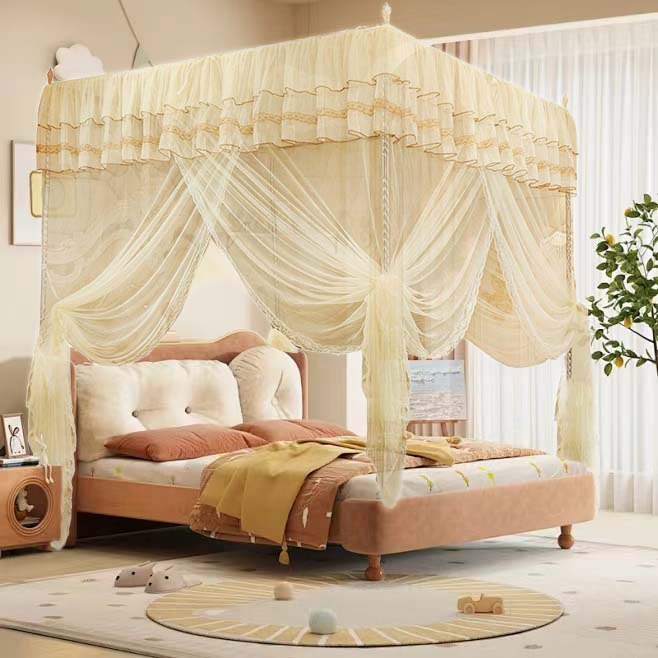
Sunlight reaching your room includes visible light, infrared energy that you feel as heat, and ultraviolet radiation that contributes to fading and skin exposure. A mesh fabric can reduce these in three ways: it can transmit light through the openings, absorb some energy in the yarn, and reflect some energy depending on surface and color.
Standard mosquito netting usually has relatively high openness to keep rooms comfortable and breathable. That means a large portion of visible light still passes through. However, even high-openness mesh will still:
Reduce glare slightly by breaking up direct rays into diffuse light.
Lower visible brightness a little because the yarn occupies part of the window area.
Create a softer indoor feel similar to a light sheer layer rather than a blackout layer.
In contrast, solar insect screens and specialty shading screens are built with higher shading performance. For example, one widely sold “solar insect screen” product class is marketed as blocking up to 65% of the sun’s heat and glare, which is far beyond typical mosquito netting behavior. :conTentReference[oaicite:0]{index=0} Another insect screen product line is described as blocking up to 75% of the sun’s rays. :contentReference[oaicite:1]{index=1} These products show the upper end of what “screen + sun control” can mean, but they are not the same as standard indoor mosquito netting.
If two mosquito nets look similar in photos, they can still behave differently in daylight. The most important variables are physical, not marketing terms.
Mesh openness and hole size
Higher openness allows more light through. Smaller openings and thicker yarn reduce transmittance. No-see-um style meshes designed to stop very small insects typically use a tighter weave and can noticeably reduce light compared with standard mosquito mesh.
Color and yarn type
Darker mesh tends to reduce glare more effectively because it absorbs visible light rather than scattering it. Many shading screens are charcoal for this reason. Lighter mesh can feel brighter indoors but may not reduce glare as much.
Window angle and time of day
A net looks more “light-blocking” when the sun hits the window at a direct angle. When the sun is indirect, the same mesh may feel almost invisible.
Layering and mounting method
A tight, flat-mounted net on a frame behaves differently from a draped net with folds. Folds increase effective yarn coverage, which can reduce light more than the mesh specification alone would suggest.
For indoor rooms where you want insect protection without sacrificing daylight, the key is choosing a mesh that balances airflow and visibility. JUNXING’s Indoor Mosquito Net is designed around that indoor comfort priority, so the experience is typically filtered daylight, not heavy dimming.
Many buyers ask whether mosquito netting can replace a sunshade. The answer depends on the goal.
If your goal is insect control with minimal visual impact, mosquito netting is the correct category. It provides protection while keeping the room bright.
If your goal is significant glare and heat reduction, consider solar insect screens or dedicated solar shading fabrics. Solar screen products are specifically rated and marketed for heat and glare reduction, such as the commonly cited “up to 65%” heat and glare blocking class. :contentReference[oaicite:2]{index=2}
A practical comparison is below.
| Performance Goal | Standard Mosquito Netting | Solar Insect Screen / Sun Control Screen |
|---|---|---|
| Stops mosquitoes | Yes | Yes |
| Maximizes airflow | High priority | Often moderate to high, varies by openness |
| Keeps room bright | Usually yes | Can reduce brightness more noticeably |
| Reduces glare | Mild | Stronger, depending on screen rating :contentReference[oaicite:3]{index=3} |
| Reduces heat gain | Limited | Often a key selling point :contentReference[oaicite:4]{index=4} |
| Improves daytime privacy | Some | Often more noticeable :contentReference[oaicite:5]{index=5} |
This table is important for decision-making because it prevents a common mismatch: installing mosquito netting expecting the same effect as a sun screen, then feeling disappointed that the room is still bright and warm.
If you are choosing an indoor mosquito net and you care about sunlight, start with your priority: brightness, glare comfort, or UV and fading concerns.
For bright rooms where you want maximum daylight, select a mesh that emphasizes openness and a lighter visual presence. In most indoor settings, this delivers the “barely there” feel that keeps spaces comfortable.
For rooms with strong afternoon sun, glare control matters more than overall brightness. A darker mesh can reduce glare perception while still allowing airflow and view.
For children’s rooms, reading corners, or home office areas, a balanced approach works best: moderate openness, stable mounting, and a clean fit that avoids heavy folds. The goal is consistent light filtering rather than dramatic dimming.
For interiors prone to fading, remember that mosquito netting is not a dedicated UV shield. If UV blocking is a core requirement, a solar screen or a window film solution is more appropriate than relying on insect netting alone.
If you are sourcing for multiple rooms or projects and want consistent results, standardize the mesh spec and mounting method across sites. That reduces variation in daylight feel and makes installation outcomes more predictable.
Mosquito netting can block a small portion of sunlight and reduce glare slightly, but standard indoor mosquito nets are primarily designed for insect protection, airflow, and visibility, so they usually filter light rather than significantly darken a room. If you need strong sun control, products in the solar screen category are engineered for that and are often marketed with much higher heat and glare reduction claims, such as “up to 65%” in common solar insect screen products. :contentReference[oaicite:6]{index=6}
If you are not sure which mesh choice fits your room brightness, window orientation, and comfort target, contact us. JUNXING can help you select the right indoor net specification and provide guidance on sizing and installation based on our Indoor Mosquito Net options, so you get insect protection without compromising the indoor light experience.
Previous: How To Fold A Mosquito Net?