mosquito nets are made from lightweight textiles, so fire safety is a valid question for homes, hospitality projects, and public-use spaces. In simple terms, most mosquito nets are combustible because they are typically produced from synthetic fibers such as polyester or polyethylene, or occasionally from cotton blends. Combustible does not always mean they ignite easily in every situation, but it does mean they can burn if exposed to an ignition source like an open flame, a hot bulb, a heater element, or sparks. The more accurate way to evaluate mosquito net fire risk is to look at fiber type, fabric weight, mesh structure, and whether the net is treated with a flame-retardant finish that meets a recognized standard.
JUNXING supplies Indoor Mosquito Net solutions designed for practical daily use and project requirements, including options that can be specified to fit different installation environments. You can explore our indoor mosquito net range here: Indoor Mosquito Net
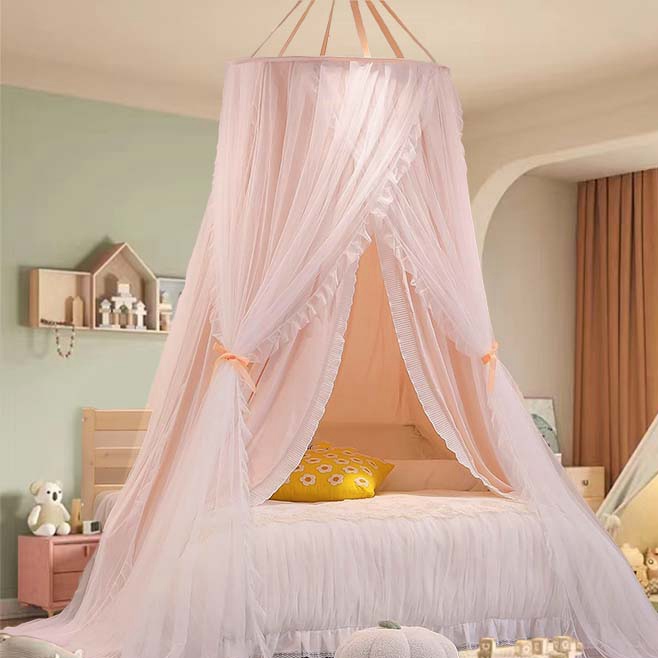
Most indoor mosquito nets use synthetic mesh because it is light, durable, and resistant to moisture. Common materials include:
Polyester mesh
Often chosen for strength and dimensional stability.
Polyethylene mesh
Often chosen for lightweight structure and flexibility.
Nylon mesh
Sometimes used for higher tensile strength.
Cotton or blended fabrics
Less common for modern mosquito nets, but possible in certain markets.
Material matters because different fibers behave differently near heat:
Some synthetics can melt and shrink away from heat before they fully ignite
Some can drip when heated, which is a safety concern in confined spaces
Natural fibers can char and burn without melting, depending on fabric density
The mesh structure also affects burn behavior. Because mosquito nets are thin and have high airflow, they can ignite quickly if they contact an open flame. At the same time, a very open mesh has less total fuel mass than a heavy fabric, which can influence how a flame spreads. Real safety planning should assume the net is combustible and focus on preventing heat exposure.
When buyers ask whether mosquito nets are flammable, they usually mean one of three things:
Will it catch fire if it touches a flame
Most nets can ignite or melt when exposed to open flame or high heat.
Will it spread flame rapidly
Flame spread depends on material type, finishing, and whether the net meets a flame-retardant standard.
Will it self-extinguish
Untreated nets generally should not be assumed to self-extinguish. Flame-retardant treated nets may perform better, but the exact behavior depends on the standard and treatment quality.
For indoor environments, the most important factor is not the label itself, but whether the net’s fire performance has been matched to the specific installation conditions.
Mosquito nets are usually safe in normal room conditions, but risk increases when nets are installed near heat sources or when airflow moves the net into contact with hot objects.
Common risk sources include:
Candles, incense, and matches
Open flame is the highest risk source, especially for bedside nets.
Wall heaters and portable heaters
Convective airflow can pull a net toward the heat source.
Cooking areas
Nets are not intended to be used near stoves or open cooking flames.
High-temperature light fixtures
Some bulbs and fixtures run hot. If the net touches the bulb or fixture housing, it can melt or scorch.
Smoking materials
Ash and sparks can damage mesh and create ignition risk, especially in dry conditions.
The practical rule is simple: mosquito nets should be installed with clearance from heat sources and should not be placed in rooms where open flames are used near the sleeping area.
Some projects require flame-retardant performance. Flame-retardant mosquito nets use either inherently flame-resistant fibers or a flame-retardant finish applied during manufacturing. The goal is typically to reduce flame spread and improve self-extinguishing behavior under defined test conditions.
For procurement and project evaluation, buyers should verify:
Which standard is targeted
Requirements can vary by market and facility type.
Whether the flame-retardant property is inherent or finish-based
Finish-based FR performance may change over time depending on washing, abrasion, and environment.
How the net will be used and maintained
Frequent washing and harsh detergents can affect certain finishes.
Whether documentation and batch traceability are available
This is important for hospitality projects and regulated facilities.
Fire performance should always be treated as a specification item, not an assumption. If your project requires a particular compliance standard, the net must be produced and tested to match that requirement.
Fire behavior overview by common net types
| Net Type | Typical Material | Likely Behavior Near Heat | Practical Safety Note |
|---|---|---|---|
| Standard indoor mesh net | Polyester or PE | Can melt, shrink, scorch, or ignite with flame contact | Keep away from bulbs, candles, heaters |
| Heavier decorative net | Polyester blend | More fuel mass, may sustain burning longer | Needs larger clearance from heat |
| FR-treated net | Synthetic with FR finish | Reduced flame spread in defined tests | Confirm standard and maintenance limits |
| Inherently FR fiber net | Specialized fiber | Improved resistance compared to standard synthetics | Higher cost, used for specific projects |
Even without a special flame-retardant specification, good installation design significantly reduces risk.
Key practices include:
Maintain clearance from light fixtures and heaters
Avoid installing nets where they can drift into hot zones.
Secure the net to prevent movement
Proper hanging points and tie-backs reduce contact with heat sources.
Keep the net fabric tensioned
Loose netting can swing toward heat sources with airflow.
Avoid open-flame use near the net
This includes candles, incense, and smoking in bed areas.
Use safe lighting near beds
Prefer fixtures that run cooler and are positioned away from net drape zones.
These practices often matter more than the material choice in typical household use.
Fire safety is one part of the selection process. Buyers also consider airflow, insect protection, durability, and appearance.
Selection checklist:
Installation location
Bedroom, dormitory, hotel room, or rental unit may have different risk profiles.
Nearby heat sources
Identify fixtures, heaters, and any flame-use habits.
Cleaning frequency
Choose materials and finishes that match expected washing or cleaning methods.
Mesh density and strength
Denser mesh provides better insect blocking, while stronger yarn improves durability.
Project requirements
If your project requires FR performance, define the standard and documentation needs early.
JUNXING provides indoor mosquito net options that can be specified for different installation methods and project requirements. You can review our indoor mosquito nets here: Indoor Mosquito Net
Most mosquito nets are combustible because they are typically made from lightweight synthetic mesh. They can melt, scorch, or ignite if exposed to open flame or high heat sources such as candles, heaters, hot bulbs, or sparks. Whether a mosquito net is safer in a particular environment depends on its material, mesh structure, and whether it is specified with flame-retardant performance that matches a recognized standard. In day-to-day indoor use, the best protection comes from proper installation and keeping nets away from heat sources.
If you are choosing mosquito nets for a hospitality project, rental property program, or large-volume indoor installation and want guidance on material selection, installation layout, or optional flame-retardant specifications, you can consult JUNXING. Share your room type, installation method, local compliance needs, and expected cleaning routine, and we will recommend suitable indoor mosquito net options and provide practical support for your project.