A kids play Tent is designed to create a safe, lightweight indoor space for pretend play, reading, quiet time, or group activities. Most modern play tents use a fabric cover and a support frame made from flexible poles or rigid connectors. Assembly is usually quick, but problems happen when poles are inserted in the wrong order, sleeves are twisted, or tension points are not seated correctly. A consistent step-by-step process prevents bent poles, fabric tearing at corners, and instability during use.
JUNXING develops Kids Play Tents with practical assembly structure, stable support, and easy storage for daily family use and project programs. You can explore our product options here: Kids Play Tent
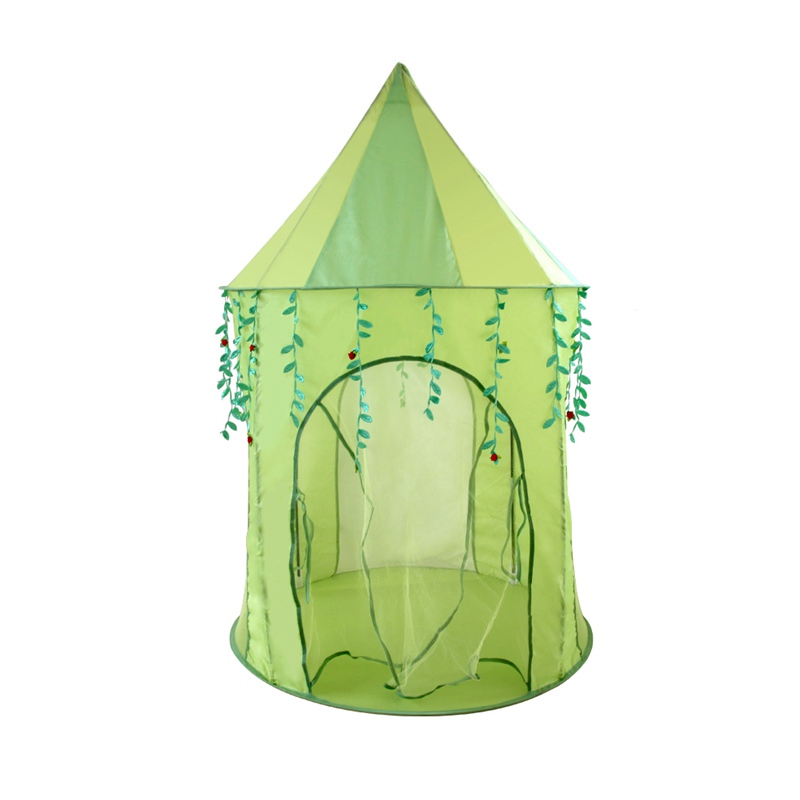
Before assembling, lay out all components to avoid forcing parts into the wrong position. Most play tent kits include some combination of the items below.
Common components:
Tent fabric cover with sleeves or corner pockets
Poles, often segmented with elastic cord inside
Connectors or hubs for the top and corners
Ground mat or base panel, depending on model
Stakes or tie cords, mainly for outdoor use, depending on model
Storage bag and simple instruction sheet
Component roles overview
| Component | What It Does | What To Check Before Use |
|---|---|---|
| Fabric cover | Forms the tent shape and openings | No twisting in sleeves, seams intact |
| Poles | Create structural support and tension | No cracks, segments fully seated |
| Hubs/connectors | Lock poles into the frame geometry | No deformation, correct orientation |
| Base panel | Adds comfort and defines floor space | Correct alignment with corners |
| Ties/stakes | Improves stability if used outdoors | Use only when appropriate for surface |
If any parts are missing or damaged, do not substitute incompatible pieces, because mismatched tension can cause instability.
A clean setup area makes assembly faster and reduces the risk of fabric scuffs or pole bending. Play tents are light, so they can slide while you work if the surface is too smooth.
Preparation checklist:
Choose a flat, open area larger than the tent footprint
Remove sharp items that can snag fabric
Keep pets and small children away during pole assembly
Identify the door opening and front panel direction
Confirm pole count and connector count match the kit
If the tent is intended for indoor use, assembly on a soft rug can reduce fabric slipping and protect the poles if they drop during setup.
Different play tent designs vary, but most follow the same frame logic: build the pole structure first, then tension the fabric evenly. The steps below work for many teepee-style, dome-style, and frame-supported play tents.
Spread the fabric flat with the inner side facing upward. Identify:
Door opening and window panels
Pole sleeves, corner pockets, or strap loops
Top hub location if the model uses a hub
Any labels that indicate front and back
At this stage, straighten the sleeves so you do not insert poles into twisted channels.
Most poles come in segments connected by an internal elastic cord. Assemble each pole by inserting segments until they seat completely.
Key handling points:
Join segments in sequence rather than pulling the cord aggressively
Confirm each joint is fully seated, because partial seating creates weak points
Keep poles on the floor during assembly to reduce bending stress
If poles are flexible, they are designed to bend in a controlled arc once installed, not to be forced at sharp angles during assembly.
Insert the pole ends into the fabric sleeves or corner pockets as designed.
Practical guidance:
Feed poles gently through sleeves without pulling fabric tight
If you feel resistance, stop and check for sleeve twisting
For dome designs, insert poles in an X pattern if applicable, then align ends to corners
For teepee designs, insert poles into top pocket or hub area, then spread the base evenly
The goal is to place poles so the tent shape forms naturally, without forcing the fabric to stretch unevenly.
If the tent uses hubs or connectors, lock the poles into the correct slots. Many connectors have a specific orientation, so align the pole ends first before pushing them in.
Key points:
Insert one side first to anchor the frame, then seat the opposite side
Work diagonally across the tent rather than completing one corner fully at a time
Avoid bending a pole excessively to reach a connector, reposition the fabric instead
This step is where most damage happens if the frame is forced. The correct geometry should allow the poles to seat with controlled tension.
Once poles are seated, lift the tent into its upright position. Adjust the base corners so the tent is centered and symmetrical.
Tension checks:
Fabric seams should align without pulling hard in one direction
Corners should be equally spaced
The roof or top area should be supported without sagging
The doorway should open smoothly without the fabric dragging
If the tent leans, the most common cause is uneven pole seating or a twisted sleeve that shortens one side.
Many play tents include straps or hook-and-loop tabs that wrap around poles to prevent shifting.
Securement steps:
Attach all tabs starting from the top down
Keep straps snug but not overly tight to avoid fabric stress at seams
Confirm no strap is twisting the pole position
These attachments stabilize the tent during play and reduce frame movement when children lean or pull on fabric panels.
Place the base mat or floor panel into position if included. Then perform a safety check before allowing children to play inside.
Final check list:
No sharp pole ends are exposed
All connectors are fully seated
Tent does not wobble under light hand pressure
Door opening closes and opens without tension tearing
Fabric is not wrapped around poles in a way that creates pinch points
If the tent will be used outdoors, only use stakes if the model supports it and the ground surface is appropriate.
Even when instructions are followed, a few issues show up repeatedly. These fixes reduce reassembly time.
Most common issues:
Poles do not reach the connectors
Check that each pole segment is fully seated. A small gap at a joint can shorten the pole and prevent alignment.
Fabric looks twisted or tent shape is uneven
Lay the tent down and confirm pole sleeves are straight. Twisted sleeves create asymmetric tension.
Tent wobbles or leans
Re-seat corner connectors and confirm all tabs are attached. Missing one connector often causes instability.
Zippers or doors are hard to open
The fabric is under uneven tension. Recenter the base and adjust pole positioning.
Poles feel overly stressed
Stop and check orientation. Forcing the frame can permanently deform poles.
Troubleshooting reference
| Issue | Likely Cause | Fast Fix |
|---|---|---|
| Uneven tent shape | Twisted sleeve or misaligned base | Straighten sleeves, recenter corners |
| Connector mismatch | Pole segment not fully seated | Push joints fully together |
| Wobble | Missing tab or loose corner | Attach all tabs, re-seat connectors |
| Door tension | Fabric pulled off center | Adjust base, balance pole arcs |
| Excessive pole bend | Wrong pole placement | Recheck pole routing and hub slots |
Assembly is only part of usability. The tent lasts longer when it is used and stored correctly.
Practical care tips:
Keep the tent away from heaters, open flames, and hot bulbs
Teach children not to pull on poles or climb on the frame
Wipe fabric with a mild cleaner and allow it to dry fully before storage
Disassemble by reversing the assembly order rather than pulling poles out under tension
Store poles straight in the bag to reduce permanent curvature
For multi-use environments such as daycare rooms, consistent teardown and storage routines reduce damage and maintain stability for the next setup.
You can explore JUNXING play tent options here: Kids Play Tent
Assembling a play tent step by step is most reliable when you start by laying out the fabric, fully seating pole segments, feeding poles through straight sleeves, locking poles into hubs or connectors diagonally, and then balancing fabric tension before securing straps and tabs. Most assembly problems come from partially seated pole joints, twisted sleeves, or uneven base alignment, and they can be corrected by resetting the frame rather than forcing tension. A final safety check ensures connectors are seated, pole ends are covered, and the tent remains stable during play.
If you are not sure which play tent structure is best for your space, need guidance on assembly for a specific model, or want a project-ready supply solution with customization options, you can consult JUNXING. Share your target tent size, usage environment, preferred structure style, and packaging requirements, and we will provide practical guidance and recommend suitable kids play tent options.
Previous: How To Fold Up A Pop Up Play Tent?