A pop up play Tent is designed to open quickly and hold its shape using flexible spring steel or fiberglass hoop frames. That same spring tension is what makes folding feel confusing the first time. The tent does not fold like a normal fabric item. Instead, the frame must be guided into a controlled twist so it collapses into smaller circles, then secured into a flat storage bundle. Once you learn the correct motion, folding becomes repeatable and fast without stressing the seams or bending the frame in the wrong direction.
JUNXING produces Kids Play Tents with practical structures for daily home use and project supply programs. You can explore our range here: Kids Play Tent
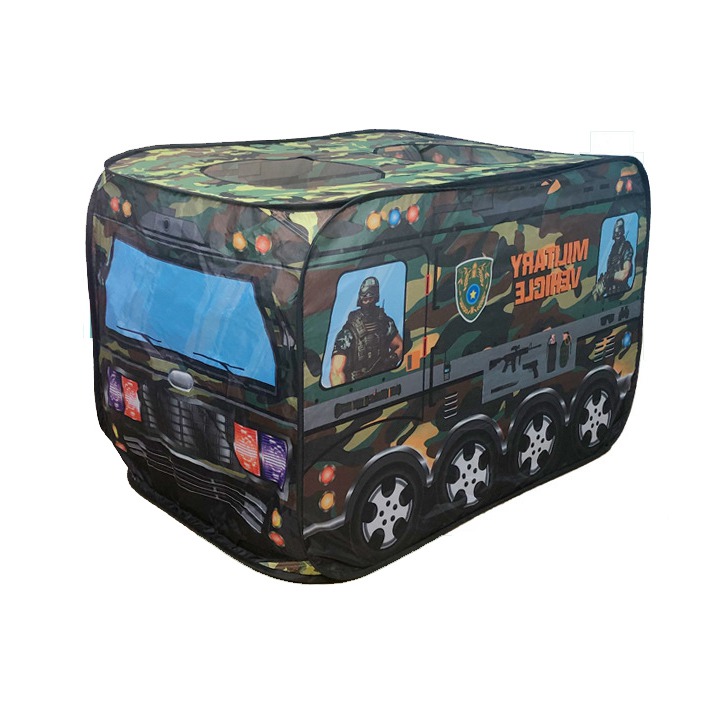
Most pop up play tents use a continuous hoop frame that stores energy. The frame naturally wants to return to its open shape. Folding is the process of redirecting that energy into overlapping loops.
Common frame styles:
Single hoop cube-style tents
Usually collapse into two or three stacked circles.
Dome pop up tents
Often use one main hoop with additional sewn-in support lines.
Tunnel pop up tents
May have multiple hoops, each section folds separately.
The folding concept is similar across styles: flatten the tent, form a large circle, twist into smaller circles, then secure.
Pop up frames can spring back quickly. Folding safely protects hands and prevents the frame from snapping into nearby objects.
Preparation checklist:
Clear a floor area larger than the open tent footprint
Remove toys, pillows, or mats from inside the tent
Close doors and windows panels so fabric is not caught during twisting
If the tent has tie straps, locate them before folding
Keep children and pets away during the folding step
If the tent has sand, crumbs, or dust, shake it lightly before folding so the storage bag stays cleaner and the fabric does not abrade during storage.
The steps below fit many common cube and dome pop up play tents. The key is to keep the frame under control and follow the same direction of twist each time.
Hold the tent at the top and gently press downward to remove height.
Guide the tent into a flat, round shape on the floor.
Smooth the fabric so it lies inside the frame boundary.
If the tent has a cube shape, push one side inward so it begins to flatten. Do not force corners sharply. The frame should curve naturally.
With the tent flattened, hold the left and right edges of the frame.
Pull the edges slightly toward each other to form a stable circle.
Keep the circle symmetrical so the twist step will be smooth.
At this point, you should be holding a large ring-like shape rather than a loose bundle.
This is the core folding step. The motion is a controlled twist, not a bend.
Place one hand at the top of the circle and one hand at the bottom.
Rotate your top hand forward while rotating your bottom hand backward.
The frame will naturally fold into two overlapping circles.
The direction of twist may feel easier one way depending on the frame’s memory. If the frame fights you, return to the large circle and twist in the opposite direction rather than forcing.
Many pop up tents fold into three circles for a smaller storage size.
With two circles formed, compress them slightly.
Guide one side inward so a third circle forms on top.
Align the circles so they are evenly stacked.
Do not let the circles snap out of alignment. Maintain pressure until the bundle is secured.
Use attached tie straps, elastic loops, or a separate band to hold the folded circles.
Place the bundle into the storage bag with seams facing inward when possible.
Zip or close the bag fully to prevent the frame from expanding.
If the tent does not have built-in straps, a simple elastic band can hold the folded circles, but it should not compress the frame so tightly that it creates sharp creases in fabric.
Tunnel tents often contain multiple hoops. Folding works best when you collapse hoop-by-hoop.
A practical method:
Empty the tunnel completely and zip openings closed.
Lay the tunnel flat and compress it lengthwise so hoops align.
Start from one end and fold the tunnel in sections until the hoops stack.
Twist the stacked hoops into overlapping circles using the same method as a single hoop tent.
Secure with straps and store.
Tunnel tents can feel harder because fabric length adds drag. Keeping it flat and aligned before twisting is the key.
Most folding issues come from skipping the flat-circle stage or twisting in an uneven way.
Typical problems:
The frame springs open while you fold
You are releasing tension before securing. Keep pressure on the stacked circles until straps are attached.
The tent will not form clean circles
The tent is not fully flattened. Return to the flat shape and smooth fabric inside the frame.
The frame feels like it is kinking
You are bending instead of twisting. Reset to a large circle and use a rotational twist motion.
Fabric gets pinched at the edge
The fabric is outside the frame boundary. Tuck fabric inward before twisting.
The folded bundle is too large for the bag
The circles are not stacked evenly, or the tent is folding into two circles when it was designed for three. Re-fold slowly and guide the third loop.
Troubleshooting reference
| Problem | Likely Cause | Practical Fix |
|---|---|---|
| Pops open | Securing too late | Keep pressure until straps are fastened |
| Uneven circles | Not fully flattened | Re-flatten, smooth fabric, re-twist |
| Frame kinks | Bending instead of twisting | Reset and use a twist rotation |
| Pinched fabric | Fabric outside frame | Tuck fabric inside frame boundary |
| Too large for bag | Loop stacking misaligned | Align circles evenly, form third loop |
Pop up tents can last a long time when folded correctly. Poor folding can stress stitching and create permanent frame deformation.
Best practices:
Avoid sharp bends and corner folding that create kinks
Fold slowly the first few times to learn the frame’s natural direction
Do not store the tent when damp, let it dry fully to prevent odor and fiber weakening
Keep the storage bag away from heavy loads that crush the frame
If the tent has mesh windows, avoid folding with hard objects inside that can snag the mesh
For high-frequency use environments such as kids activity rooms, a consistent fold routine reduces damage and makes storage faster.
You can explore JUNXING pop up and structured play tent options here: Kids Play Tent
Folding up a pop up play tent is a controlled frame-twist process. The most reliable method is to flatten the tent completely, form a large circle, twist into two overlapping loops, then stack into three circles if the design requires it, and secure the bundle immediately with straps before storing. Most folding problems happen when the tent is not fully flattened, the frame is bent instead of twisted, or the folded loops are not aligned evenly. A consistent step-by-step routine prevents frame kinks, reduces fabric pinching, and makes storage quick and repeatable.
If you are unsure which pop up play tent structure best fits your space, need guidance on folding for a specific design, or want a project supply solution with customization options, you can consult JUNXING. Share your tent size, frame style, usage environment, and packaging requirements, and we will recommend suitable kids play tent options and provide practical support for setup and storage.