Choosing the best Tent for your child is less about fancy features and more about safety, comfort, and how the tent will actually be used. Some families want a lightweight play tent for bedrooms and living rooms, while others want a real outdoor shelter for backyard camping, beach trips, or family travel. The right choice comes from matching the tent size, materials, ventilation, and setup style to your child’s age and the environment. A well-chosen tent also reduces common frustrations such as unstable poles, poor airflow, and fabrics that feel hot or musty after a few uses.
JUNXING provides tent options designed for family use and practical setup. You can explore our styles on the tent collection page.
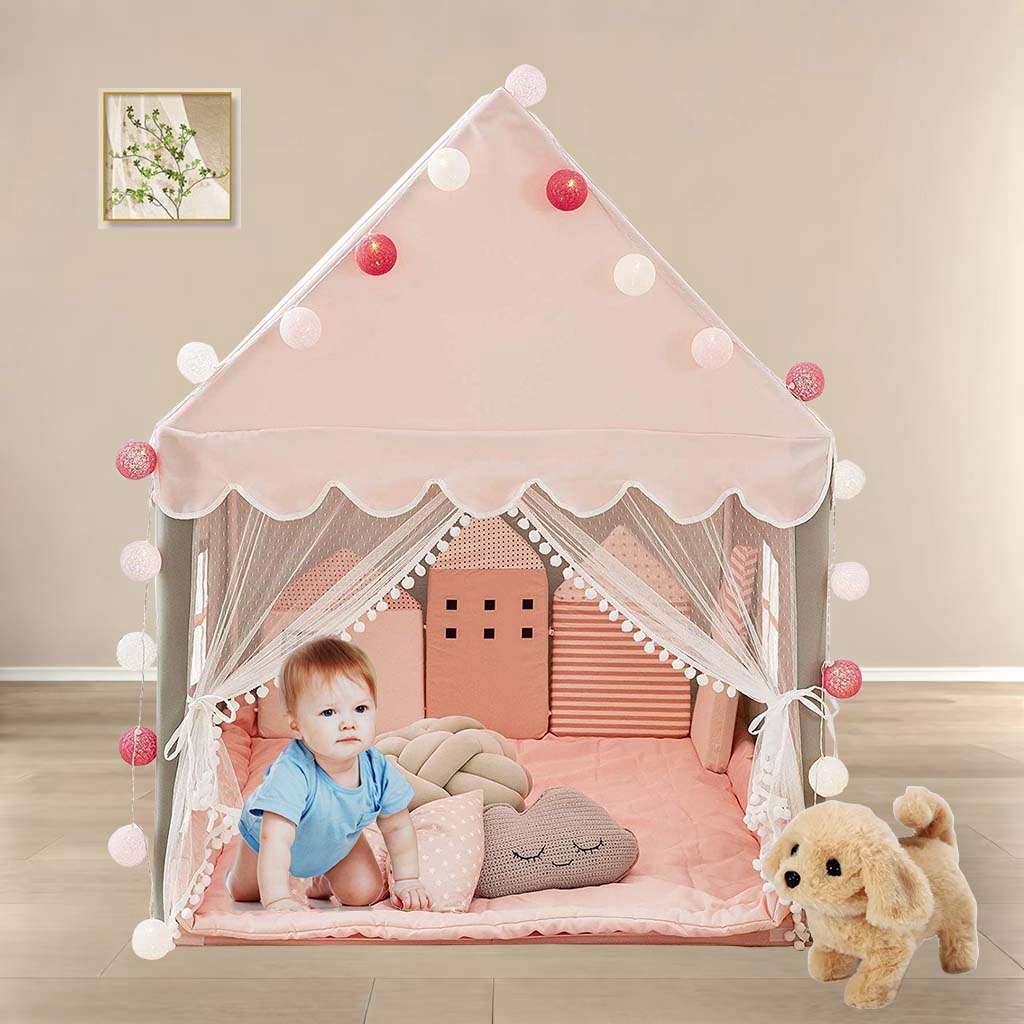
The fastest way to pick the right tent is to define where it will be used most often. A child’s indoor play tent can prioritize soft edges, easy storage, and simple pop-up setup. An outdoor kids tent must prioritize weather resistance, ventilation, stable structure, and easy cleaning after dirt and moisture.
Think in clear categories:
Indoor play and reading corner
Backyard camping and weekend use
Beach or park shade and quick shelter
Family travel where the child sleeps in the tent
Once the scenario is clear, the rest of the selection becomes straightforward.
Children need enough space to sit up, turn around, and store basic items, but oversized tents are harder to keep stable and harder to ventilate properly. A good approach is to choose size based on occupancy and activity.
For one child, a compact tent is usually enough for lounging and sleeping. For two children or play with friends, a wider floor area prevents crowding. If an adult needs to sit inside during setup or supervision, choose a size that allows an adult to kneel comfortably.
A simple sizing guide:
1 child: small single-room tent with comfortable headroom
2 children: wider floor space or a slightly taller profile
Play tent use: prioritize open entry and interior height over long sleeping length
Ventilation is one of the most important safety and comfort factors. Children often zip tents fully closed, and poor airflow can make the interior feel hot and humid. Look for mesh panels, dual openings, or vents that allow air exchange without inviting insects.
For outdoor use, mesh doors and roof panels are especially valuable in warm climates. If insects are common in your area, a mesh structure also supports a more comfortable night’s sleep. Many families search for a kids camping tent that includes strong mesh coverage because it improves comfort without adding complexity to use.
For children, the fabric should feel comfortable and avoid harsh edges. A soft-touch fabric is helpful for indoor play, while outdoor use benefits from stronger woven fabrics that handle friction and repeated folding. Seams should feel smooth, and zippers should move easily without snagging.
For outdoor tents, pay attention to:
Fabric density and coating quality
Reinforced seams at corners and stress points
Zipper durability and smooth track alignment
Floor material that resists damp ground contact
If the tent will be used on grass, sand, or slightly wet ground, a more durable floor fabric helps avoid moisture seepage and abrasion.
A tent can be perfect on paper but frustrating in use if setup is complicated. For kids and families, simplicity matters.
Common setup styles include:
Pop-up frames for very quick setup and folding
Simple pole structures for stable shape and repairability
Inflatable beam designs for reduced pole handling
For indoor and backyard use, pop-up tents are often the easiest. For more frequent outdoor use, a straightforward pole structure can provide better stability and longer service life. Choose a design that matches how often you plan to set it up and pack it away.
If your child will use the tent outdoors, even occasionally, check the basic weather protection. Light drizzle, morning dew, and wind are common. A tent does not need to be extreme-weather rated for children’s use, but it should have sensible protection.
Key outdoor factors:
A rainfly or top cover to limit water entry from above
A bathtub-style floor edge to reduce ground moisture intrusion
Tie points or stakes for stability in wind
UV resistance for beach or sunny park use
A tent that stays stable and dry keeps kids comfortable and reduces the chance of early product wear.
Many parents choose a tent because of bug control. For warm seasons, insect protection can be as important as rain protection. Mesh panels should be fine enough to block small insects and stitched cleanly so gaps do not form at corners. Door design matters too. A wide door makes it easier for children to enter without stepping on the floor edge and dragging dirt inside.
If insect control is a top priority, focus on a children’s tent with mosquito net style that uses large mesh areas while still allowing airflow.
| What To Check | Why It Matters For Children | What Good Looks Like |
|---|---|---|
| Ventilation | Controls heat and humidity | Large mesh panels, breathable structure |
| Stability | Prevents collapse during play | Strong frame, secure tie points, steady base |
| Ease of setup | Reduces frustration and improves use frequency | Simple steps, clear frame logic, fast folding |
| Floor durability | Protects from damp ground and abrasion | Reinforced floor, raised edges for outdoor use |
| Zipper safety | Prevents snagging and improves independence | Smooth zipper track, easy pull tabs |
| Cleaning | Kids tents get dirty fast | Wipeable fabric, fast drying after use |
This comparison helps you decide quickly without over-focusing on marketing labels.
Age affects safety and usability. Younger children benefit from simpler entry, rounded structure, and less complicated components. Older children can manage larger tents and more traditional camping layouts.
Toddlers and preschoolers: simple pop-up, soft structure, easy entry
School-age children: more space, more ventilation features, better outdoor stability
Older kids: camping-style tents with clear ventilation and ground protection
To choose the best tent for your child, start with the primary use scenario and then prioritize ventilation, safe sizing, stable structure, and easy setup. Outdoor use adds requirements like weather protection, insect control, and stronger floor materials. A tent that is comfortable, breathable, and easy to use will get far more real use than a tent with complex features that are rarely needed.
If you are selecting tents for family retail programs, project supply, or bulk purchasing needs, JUNXING can help you match the right structure and materials to your target market. Visit our tent collection and share the age range, use environment, and preferred setup style. If you have questions about materials, ventilation design, or packaging options, contact us and we can provide practical guidance for your selection.