Window and door screens are a strong first line of defense, but they do not always provide full protection in real homes. Screens reduce insects entering through openings, yet mosquitoes and other pests can still get inside through gaps around frames, frequent door use, damaged mesh, shared hallways, or ventilation routes. An Indoor Mosquito Net protects the person, not the building. It creates a dedicated barrier around the sleeping area, which is often the place where bites cause the most discomfort and disrupt rest. This is why many families choose an indoor mosquito net even in homes that already have screens.
JUNXING manufactures practical mosquito net solutions for indoor use. You can explore styles and specifications on our indoor mosquito net collection.
Screens work at the building boundary. If they are installed well and kept in perfect condition, they reduce insect entry effectively. In daily life, the boundary is rarely perfect. Doors open repeatedly, screens tear, frames loosen, and small gaps form where insects can slip through. In apartment buildings, insects may already be inside shared corridors. In tropical or humid regions, high insect pressure increases the chance that even small weaknesses become noticeable.
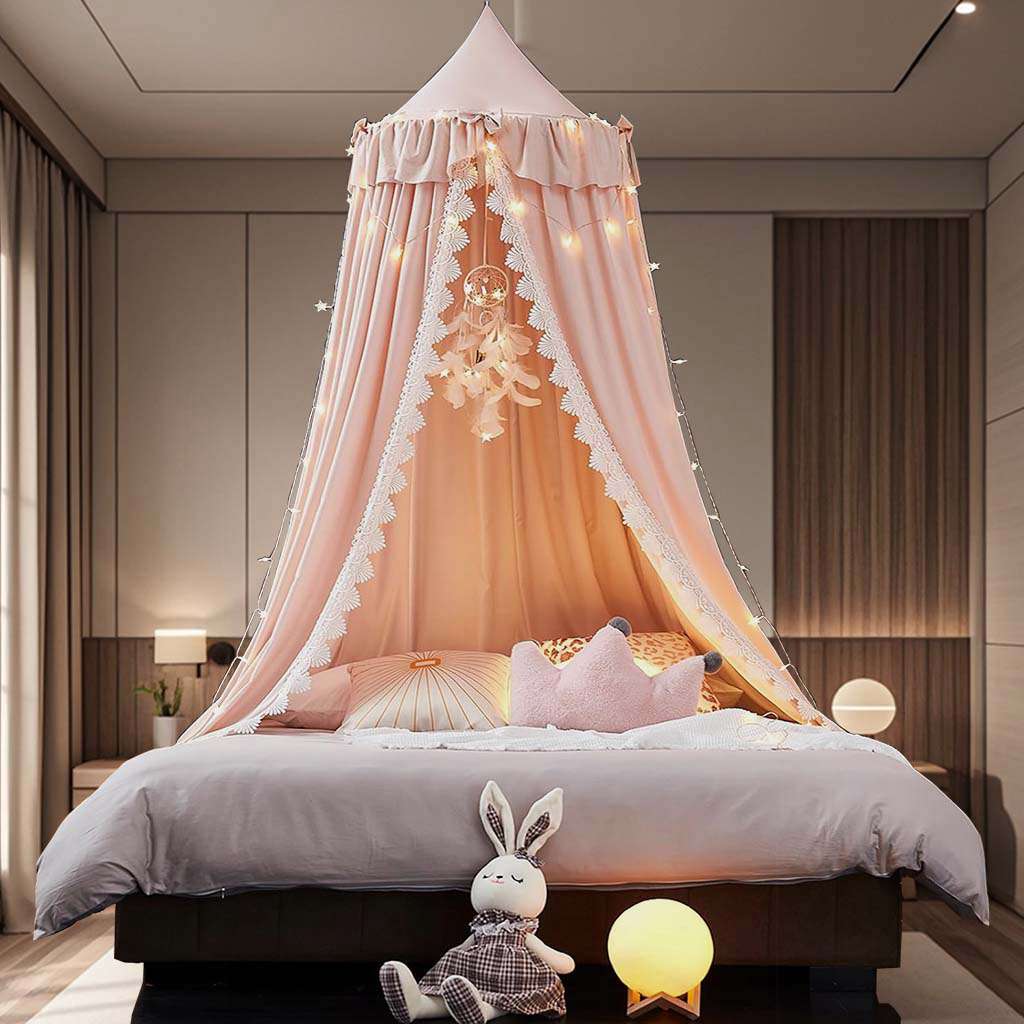
A mosquito net works differently. It creates a local barrier around the bed, which is the most critical zone for bite prevention. Even if one mosquito makes it into the room, the net can still prevent bites through the night.
Many homes with screens still experience bites. The reasons are usually practical rather than surprising.
Small gaps along window tracks, corners, or door thresholds
Damaged screen mesh from pets, weather, or wear
Frequent door opening in the evening when mosquitoes are most active
Ventilation paths through bathrooms, exhaust fans, or AC openings
Shared living environments where insects enter through hallways or stairwells
A mosquito net addresses these situations by limiting access to skin while sleeping, which is when people are most exposed.
A major advantage of a net is that it can be deployed without changing the building. Screens require installation, repair, and fitting to each opening. A net can be used in rented homes, dormitories, temporary housing, travel accommodations, or rooms where screen quality is uncertain. It also works well in mixed-use rooms where windows need to stay open for airflow but insect activity is high.
This portability is one reason many families consider a mosquito net for bed a reliable backup even when screens are present.
People sometimes assume that nets reduce airflow more than screens. In practice, an indoor net is designed to surround the sleeping area while still allowing breathability. A well-designed net uses stable structure and suitable mesh to maintain space around the sleeper and keep fabric away from skin. This improves comfort and reduces the chance of bites through contact points.
Screens can maintain room-wide airflow, but if a household keeps windows closed to reduce insects, the room may become hotter or more humid. Nets allow people to open windows for airflow while still protecting the bed area, which can improve sleep comfort in warm seasons.
Screens are exposed to sun, wind, and frequent handling. They can loosen or tear, and repairs may be delayed, especially in rented properties. Indoor nets are easier to inspect and maintain because they are within the room and used in a controlled way. A quick routine of checking seams, ensuring closures are complete, and washing the net periodically can keep performance stable.
This does not mean screens are ineffective. It means that a net can provide reliability when screen condition is uncertain or when repair timelines are not in your control.
| Factor | Screens | Indoor Mosquito Net |
|---|---|---|
| Protection zone | Openings of the room | The sleeping area |
| Performance depends on | Perfect fit and intact frames | Full coverage and sealed edges |
| Works in rentals | Sometimes limited | Yes, easy to deploy |
| Handles one mosquito already inside | No | Yes, protects the sleeper |
| Setup effort | Installation and repairs | Quick setup near the bed |
| Best use case | Whole-room prevention | Nighttime bite prevention |
The most effective approach in high-pressure environments is often layered: screens reduce entry, and a net protects sleep even when one insect slips through.
An indoor net is especially helpful in these situations:
Regions with heavy mosquito seasons
Homes with frequent door traffic in the evening
Older buildings with imperfect window and door sealing
Shared housing where insects can enter from hallways
Bedrooms for children, elders, or bite-sensitive sleepers
Travel stays where screen quality is unknown
In these use cases, the net is not a replacement for screens. It is a targeted solution where the risk and discomfort are highest.
A net’s effectiveness comes from coverage and how it stays in place. Many indoor users prefer designs that maintain structure and make entry simple. A stable frame or well-supported hanging structure helps keep mesh away from the body and reduces accidental gaps. Closure style also matters. Zippers or overlap doors can improve sealing compared with loosely draped openings.
JUNXING offers indoor-focused solutions designed for consisTent daily use. You can review options on our indoor mosquito net collection.
Screens are valuable for reducing insects entering through windows and doors, but real-life gaps, door traffic, and building conditions can still allow mosquitoes indoors. An indoor mosquito net protects the sleeper directly, creating a reliable barrier at the bed even when one insect is already in the room. For many households, the best outcome comes from combining both methods: screens reduce entry, and a net keeps nighttime bites under control.
If you are selecting indoor nets for home use, hospitality rooms, or a supply program, JUNXING can help you match the right structure, size, and closure design to your bed setup. Visit our indoor mosquito net collection and share your bed size, room layout, and target usage pattern. If you have questions about installation or choosing the right style, contact us and we will provide practical guidance tailored to your needs.
Previous: