A bed net looks like a simple product, but bulk orders often prove otherwise. Many buyers think the main job is to check the mesh, confirm the size, and move on. The real problems usually show up later. The shape may not hang well, the stitching may not stay neat, the fabric may feel different from batch to batch, or the final packed product may look fine in a carton but disappointing in real use.
For importers, distributors, and private label buyers, avoiding quality issues in bed net production starts much earlier than final inspection. It starts with understanding how the product will be used, how it will be sold, and which parts of the production process usually create trouble.
Our round bed net fits this kind of market well because it is not only a mosquito protection item. It is also a bedroom product, which means customers care about both function and appearance. That is exactly why quality control needs to go beyond basic material checks.
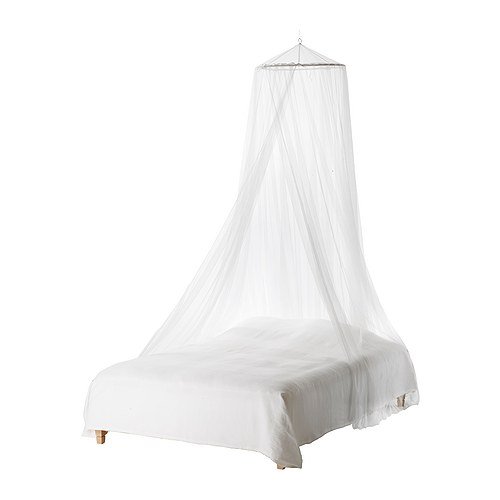
A common mistake in bed net sourcing is focusing too much on the mesh and not enough on the finished shape.
For a hanging round bed net, the visual form matters a lot. If the top ring is uneven, if the drape does not fall smoothly, or if the net looks twisted after hanging, the customer notices it immediately. In this category, the product is visible all the time. It is not hidden in a drawer or used only for a few minutes.
That is why shape control should be treated as a core part of production. A bed net should hang naturally, cover the sleeping area properly, and still look clean in the room. This is especially important for products sold as a canopy bed net, where the decorative value is almost as important as the mosquito protection itself.
In small samples, fabric issues are easy to miss. In real orders, they become much more obvious.
If the mesh feels too stiff in one batch and softer in another, the product will not look consisTent after hanging. If the transparency changes too much, customers may feel the quality is unstable. If the fabric weight is not controlled well, the net may drape differently from one order to the next.
For B2B buyers, this is not a small issue. A bed net is often sold through photos first. If the actual product does not match the expected look, complaints come quickly. This is why fabric consistency should be checked not only by material type, but also by hand feel, drape, and visual finish.
A bed net may pass packing inspection and still fail later because of stitching.
Weak seams, uneven lines, or poorly finished joining points often do not look serious at first. Once the product is opened, hung, folded, washed, or moved, these weak points start showing. In home textile and mosquito net products, that usually leads to returns because the customer sees the problem as basic workmanship, not normal wear.
For round hanging nets, stitching around the top section and the main body needs special attention. These areas affect both appearance and strength. If they are not stable, the whole product feels lower value.
Size control matters more than many new buyers think.
A bed net may be made to the stated dimensions, but if those dimensions do not match real bed use in the target market, the product still creates problems. Customers do not judge it by a tape measure. They judge it by whether it covers the bed properly and whether it looks balanced in the room.
That is why experienced buyers usually review size from a market angle, not only from a production angle. A product that fits typical home bedrooms, children’s rooms, dormitories, or hotel setups will always be easier to sell than one that only looks correct on paper.
In this category, the installation part affects customer feedback very directly.
If the hanging point feels weak, if the top ring shape is unstable, or if the setup process is not smooth, customers may think the whole product is low quality. Even when the fabric itself is acceptable, installation trouble can still damage reviews.
A good hanging bed net should feel simple to install and stable after setup. This matters even more in ecommerce and retail channels, where the end customer expects a product that works without too much adjustment.
For wholesale buyers, these small details often have a bigger effect on repeat orders than a slight price difference.
A lot of buyers treat appearance as something separate from quality. In this category, they are closely connected.
A round bed net is often bought for bedrooms, children’s spaces, guest rooms, or light decorative use. That means customers notice whether the net looks smooth, clean, and balanced after hanging. If the edge finishing is rough, if the top shape looks uneven, or if the fabric hangs poorly, the product immediately feels cheaper.
This is why appearance control should be included in production checks from the beginning. In products like this, quality is not only about whether the net blocks insects. It is also about whether it looks right in the room.
Sometimes the production is acceptable, but the packaging creates the problem.
If the bed net is packed too tightly, the shape can suffer. If the fabric comes out with deep creases or looks untidy after opening, customers often blame the product, not the packing method. In long-distance shipments, this becomes even more important.
For distributors and private label buyers, packaging also affects perceived value. A practical bed net with poor packaging can become harder to sell. That is why packaging should be discussed early, especially in OEM and ODM orders where the product may be built for retail, ecommerce, or project supply.
A good sample is useful, but it does not guarantee a good bulk order.
The real test is whether the same look, same drape, same stitching quality, and same packing standard can be repeated at scale. Many buyers run into trouble because the first sample is neat, then the full order shows differences in mesh feel, finishing, or shape.
For this reason, serious buyers usually care more about production stability than about chasing the lowest quote. In products like bed nets, repeat consistency is what protects long-term sales.
A round hanging bed net works well in several markets. It fits family bedrooms, children’s rooms, dormitories, hotel rooms, and even light travel or camping-related use. That wider use gives buyers more ways to sell it and reduces the risk of depending on a single channel.
It also makes the product suitable for wholesale, private label, and custom packaging programs. For buyers building a home textile or mosquito protection range, this kind of flexibility makes the product easier to develop and easier to place.
Avoiding quality issues in bed net production is really about controlling the details that customers notice first and complain about fastest. Shape, fabric consistency, stitching, size accuracy, hanging parts, and packaging all matter more than they seem during sampling.
Our round bed net is made for this kind of practical use, where mosquito protection and room presentation both matter. If you are planning a bulk order, comparing suppliers, or developing your own branded bed net line, feel free to send us your market requirements. We can go through the practical points together and help you find a solution that is easier to sell and easier to manage in production.